Portfolio
Blink is a time-travel parkour game directly inspired by the Effect & Cause level from Titanfall 2, one of gaming's most celebrated level design moments. Built in Unity with a team of three over 15 weeks, the game centres on a single mechanic: pressing a button instantly shifts you between two time periods a past where the Blink facility is pristine, and a present where it is rusted and abandoned.
Every platforming challenge, every puzzle, and every environmental piece of storytelling was designed around this mechanic. The contrast between the two timelines clean metal versus corroded ruin is not just aesthetic; it changes which paths are accessible, requiring the player to switch states at precisely the right moment.
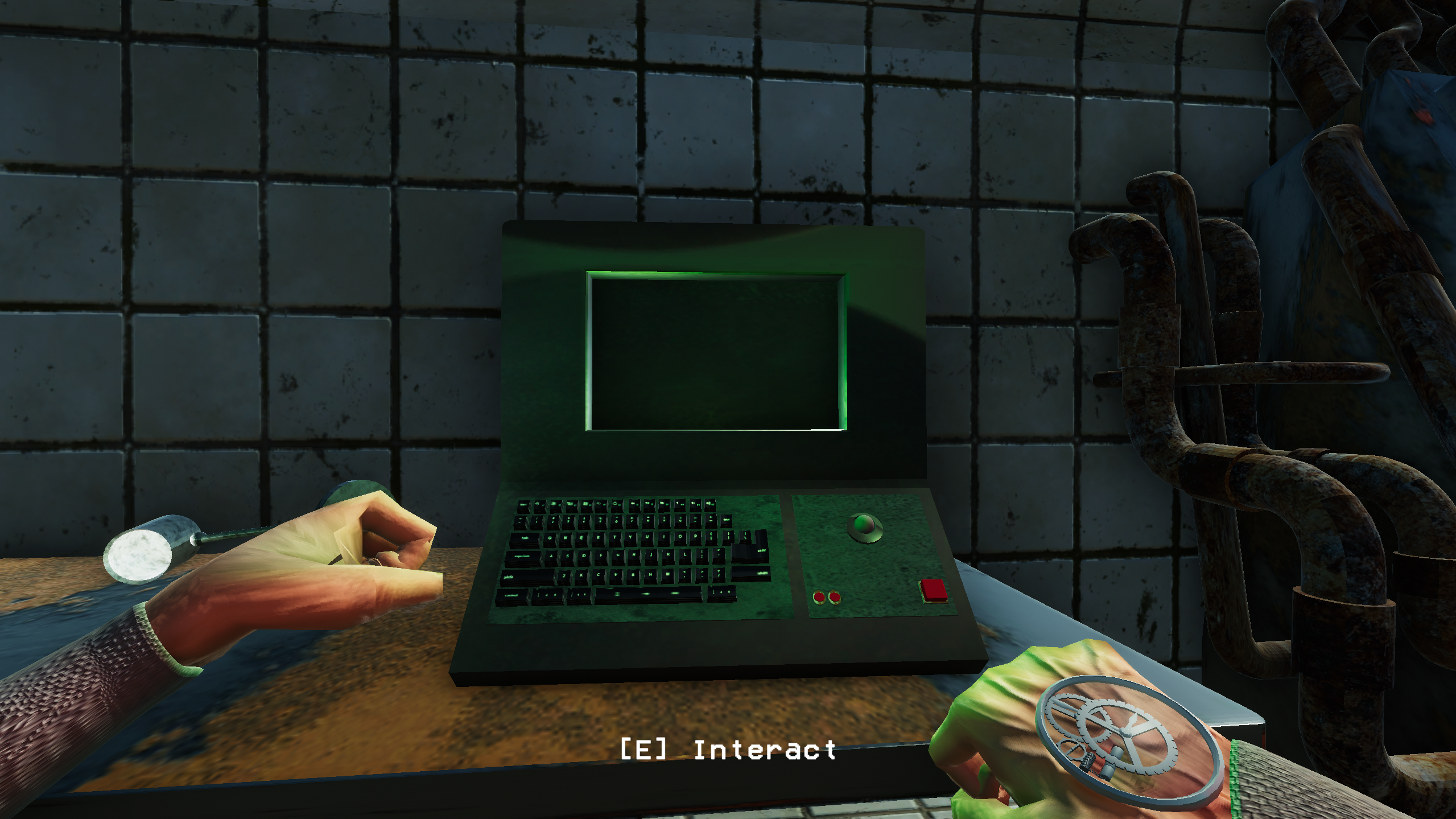
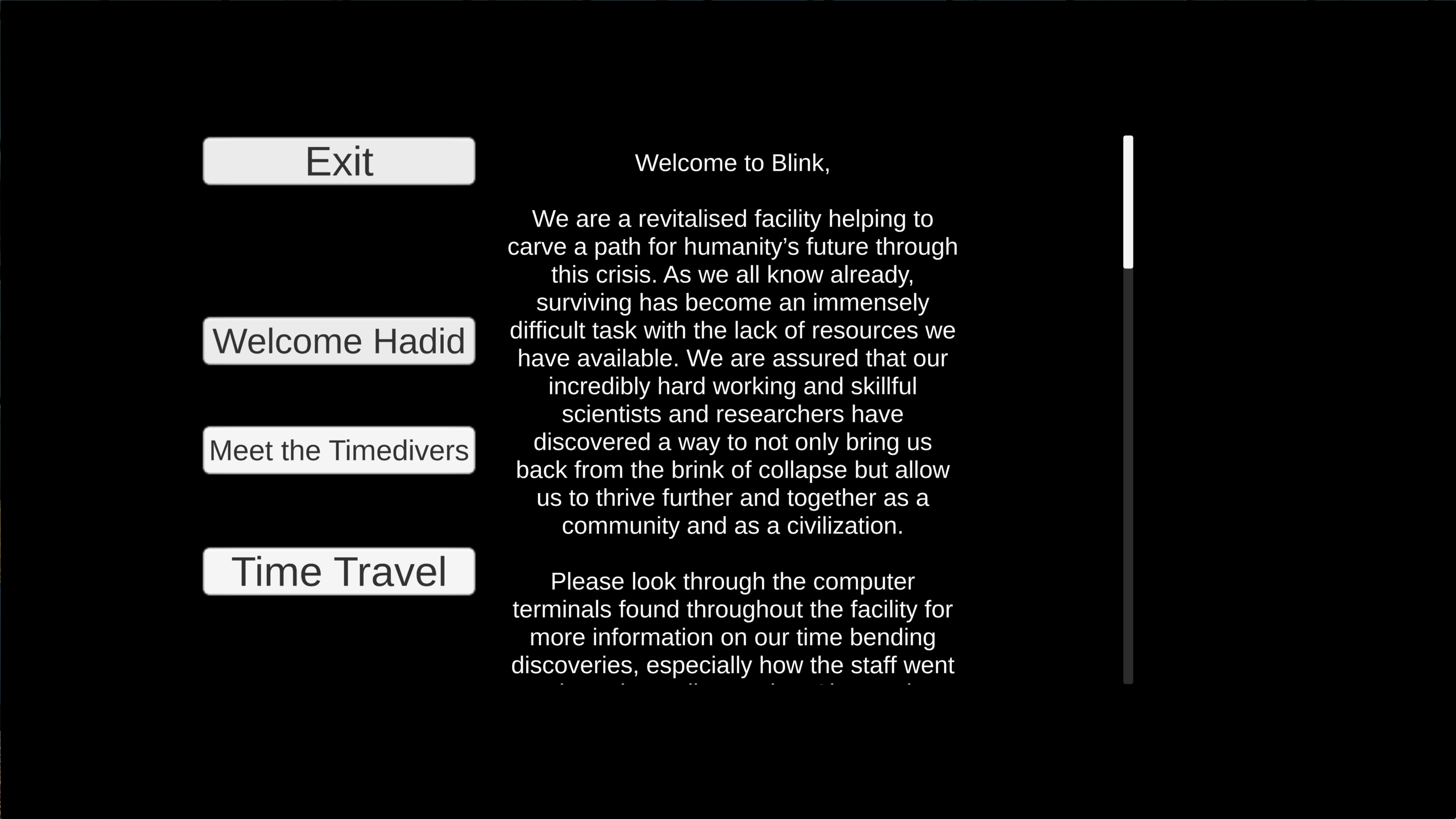
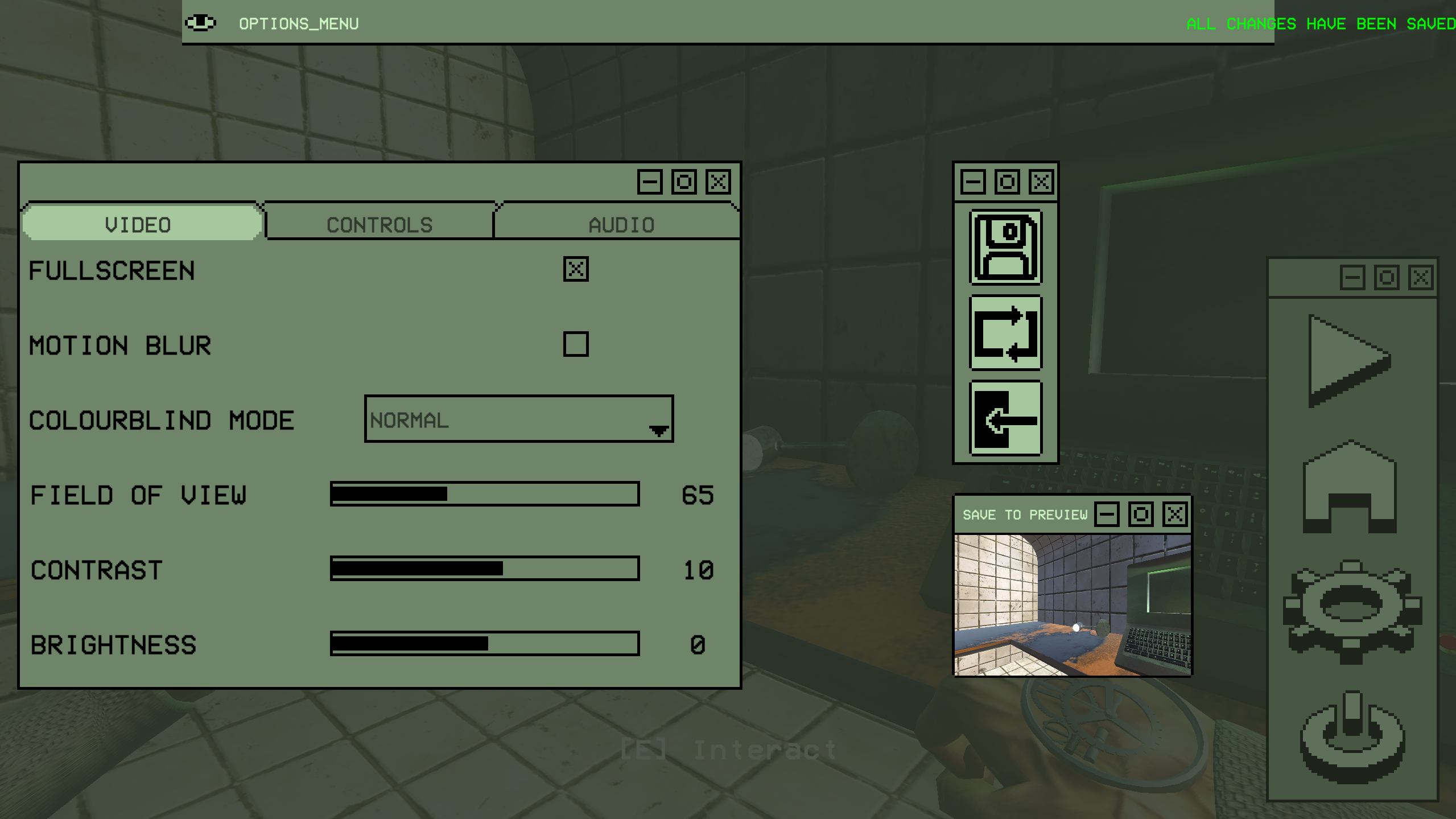
I invested heavily in the world-building and narrative, writing detailed lore pages accessible via in-game computer terminals. The story follows the main character's history with the Blink facility , giving the player a sense of direction and rewarding exploration with genuine storytelling. A ldo also designed and implemented a full settings menu so players could tailor their experience.
Team Credits:
Game Designer - Humza Mustafa, Aldo Mckinney
Environment Artist - Gihan Akpinar
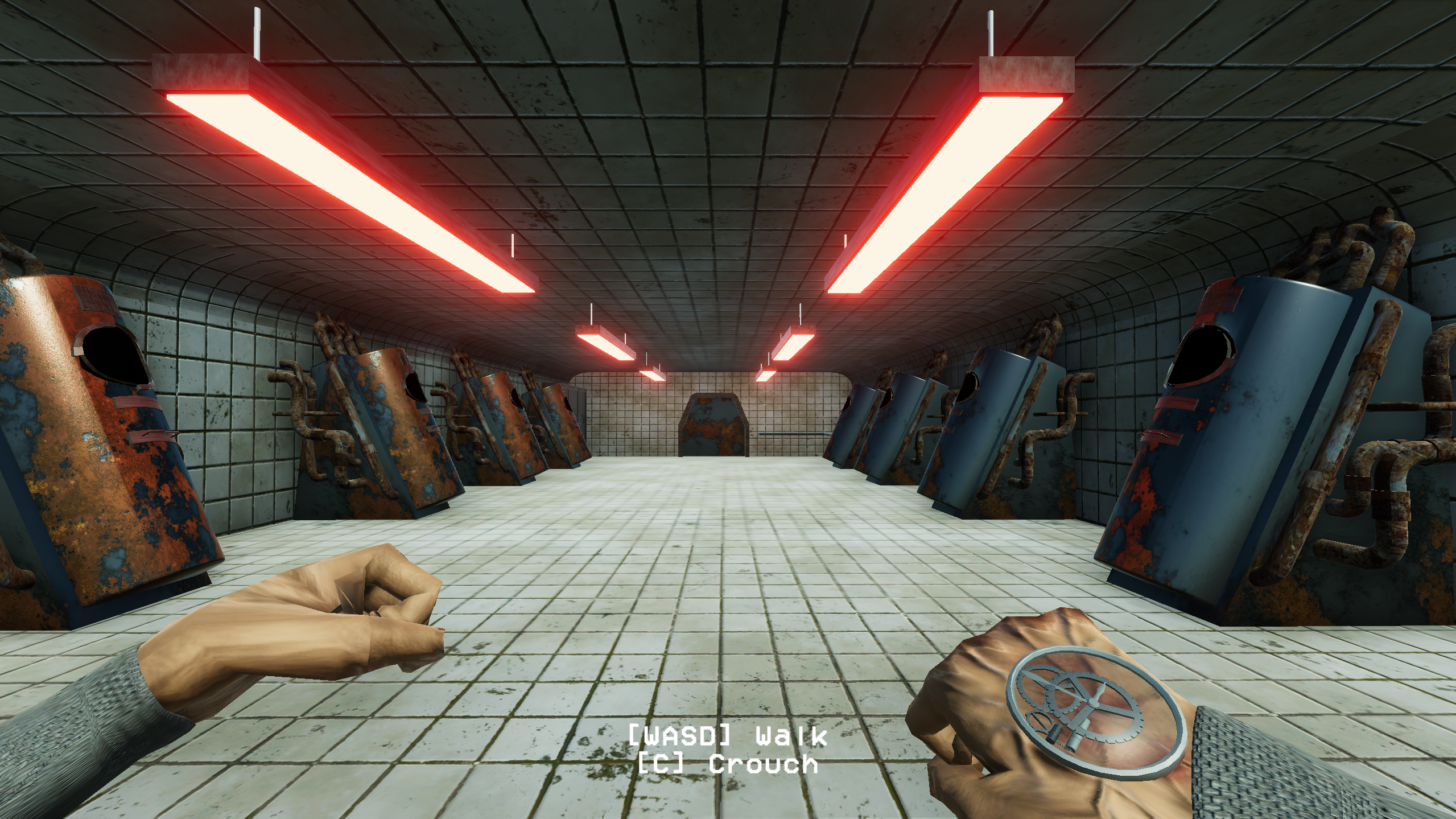
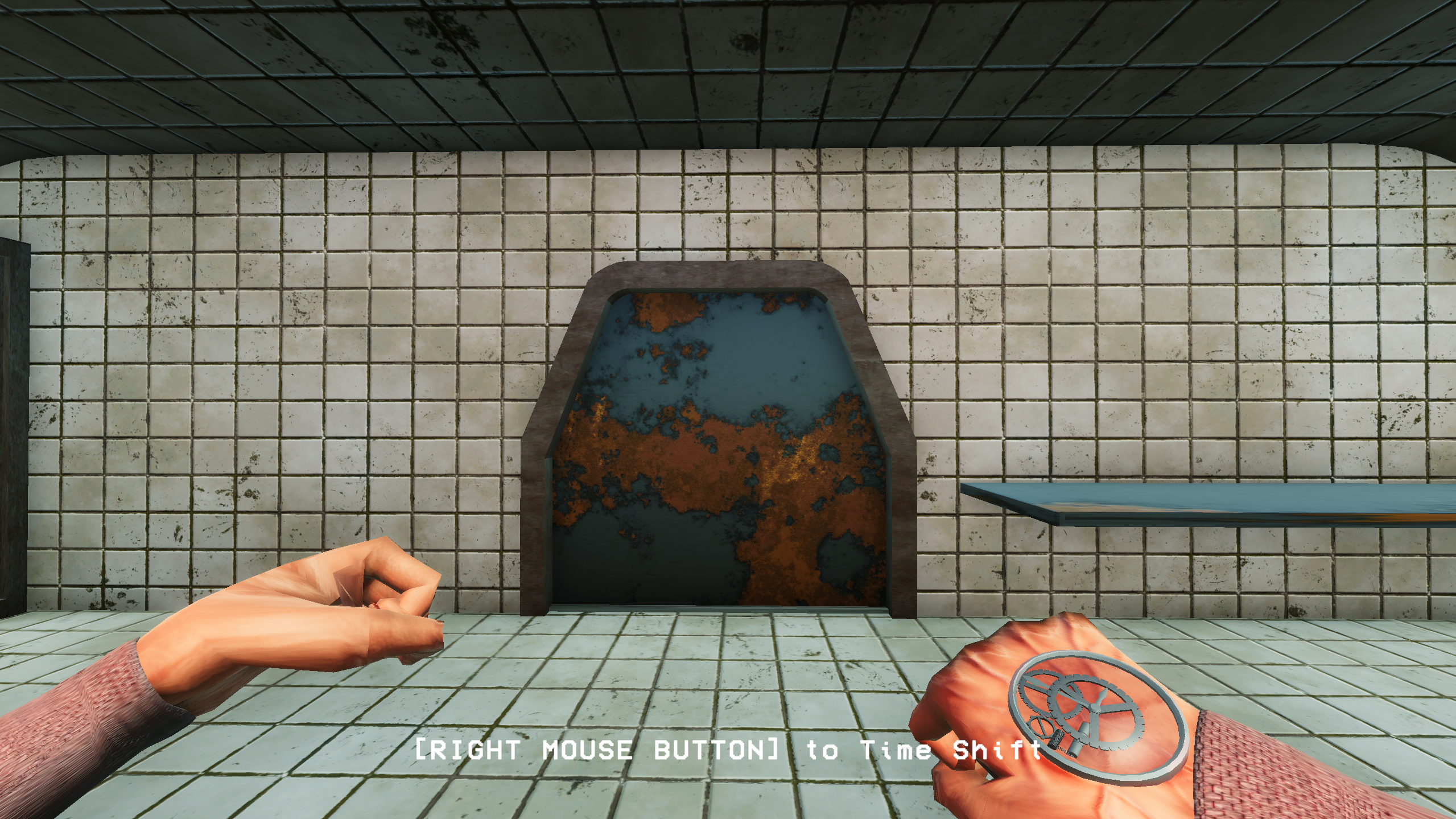
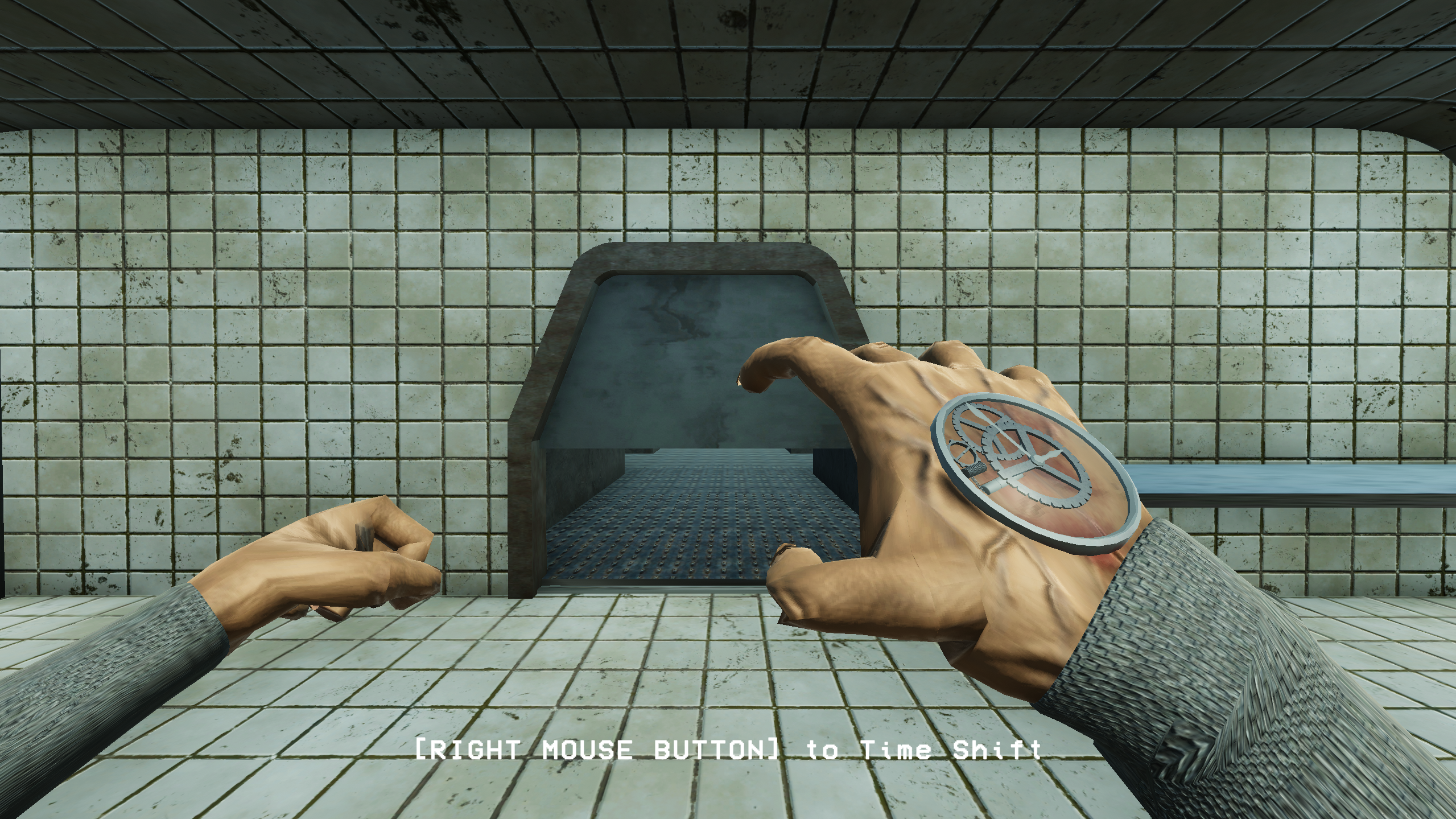
Screenshots
Documentation
A presentation explaing the game, the mechanics and narrrative of Blink
Level design documentation on the facility of BLINK
A research document on how we would make the game accessible to different players
A one page treatment on the game
A retrospective video on what went well, what could've been better and the lessons I've learnt during the project
Behind the Scenes
Time travel is my favourite genre and trope in fiction, and the Effect & Cause level from Titanfall 2 presented it in a way I had never seen before, the mechanic was inseparable from the combat and movement, not just a visual trick. What we chose to do differently was strip away the combat entirely and focus solely on movement and the story behind the Blink facility. We wanted time travel to be the world, not just a tool inside it.
Time travel may be the headline mechanic, but the parkour and momentum system is the backbone that makes it work. The fluidity of movement gave us the freedom to design creative platforming setpieces, and layering the time-dive on top meant a single button press could completely transform the space around the player, opening new paths, collapsing others, and demanding precise timing rather than just quick reflexes.
We introduced the mechanic with a deliberately simple but effective opening. You wake up in a rusted, abandoned cryo pod the room looks long out of use, a broken door blocking the way forward. A button prompt appears asking you to dive back in time, and suddenly you are standing in a pristine past version of the same room. The broken door is now intact and you walk straight through. In seconds, the player understands everything: what the mechanic does, what it looks like, and what it is for. That opening room is the moment I am most proud of in the game.
I was inspired by Remedy's Control and the way it hides its most compelling lore behind redacted files and mundane documents it makes the world feel vast without ever spelling everything out. I took that approach for Blink's story: Hadid, a new scientist, arrives at the Blink facility to resume decades-old research into space travel through consciousness. Infighting with the director and a series of catastrophic experiments kill nearly all patients and staff but one. The player. The terminals reward curiosity, letting those who explore piece together what happened while the movement carries everyone else forward.
Without access to industry tools like Substance Painter, we needed a visual language simple enough to build quickly but distinct enough to read instantly. The solution was straightforward: clean materials represented the past, whereas rust and decay represented the present. Players never had to guess which timeline they were in the environment told them immediately. Sometimes constraints lead to the clearest design decisions.
© Copyright Humza Mustafa 2026