Portfolio
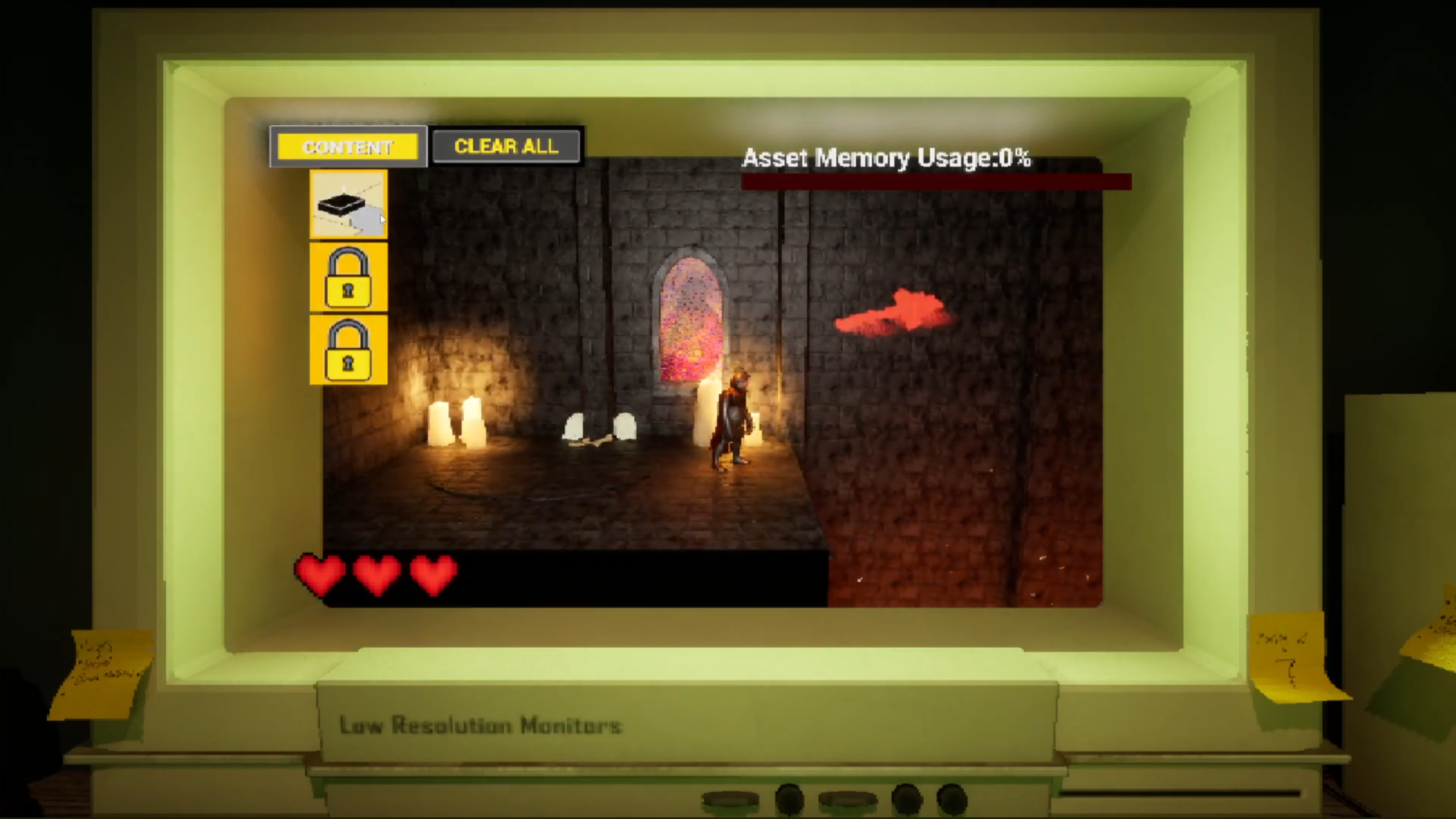
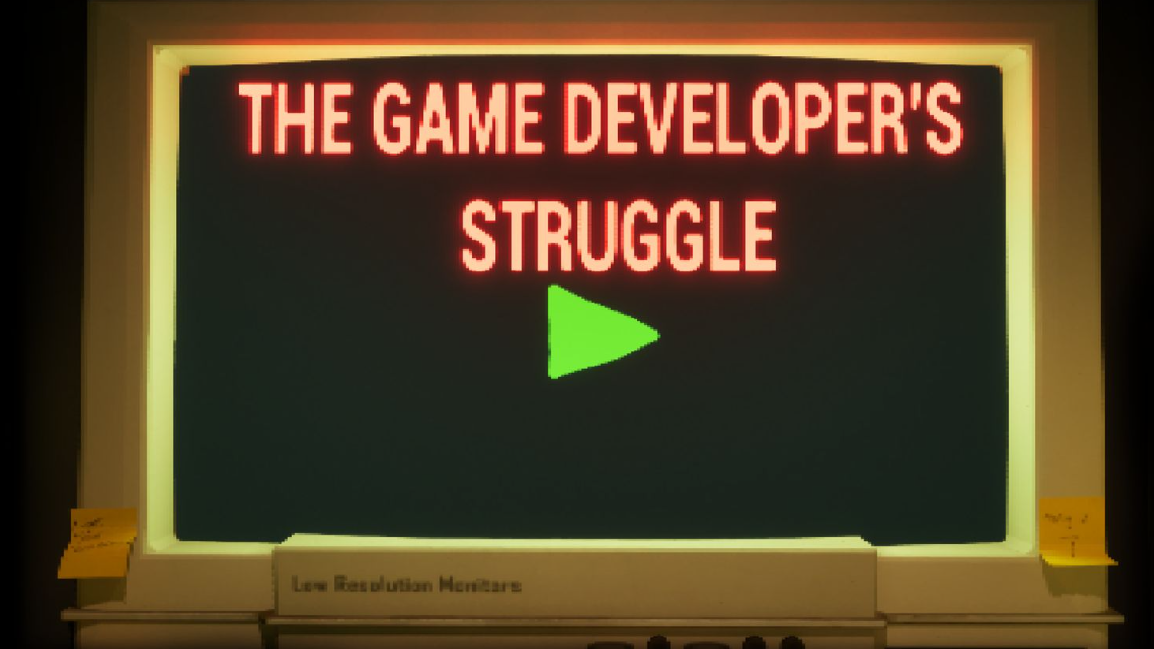
The Game Developer's Struggle is a 2-player co-op platformer created for the GJL Game Parade jam under the theme "Feedback Loop". One player uses the mouse, the other uses the keyboard, a deliberate throwback to old flash game controls that makes co-operation feel genuinely different from online two-player games.
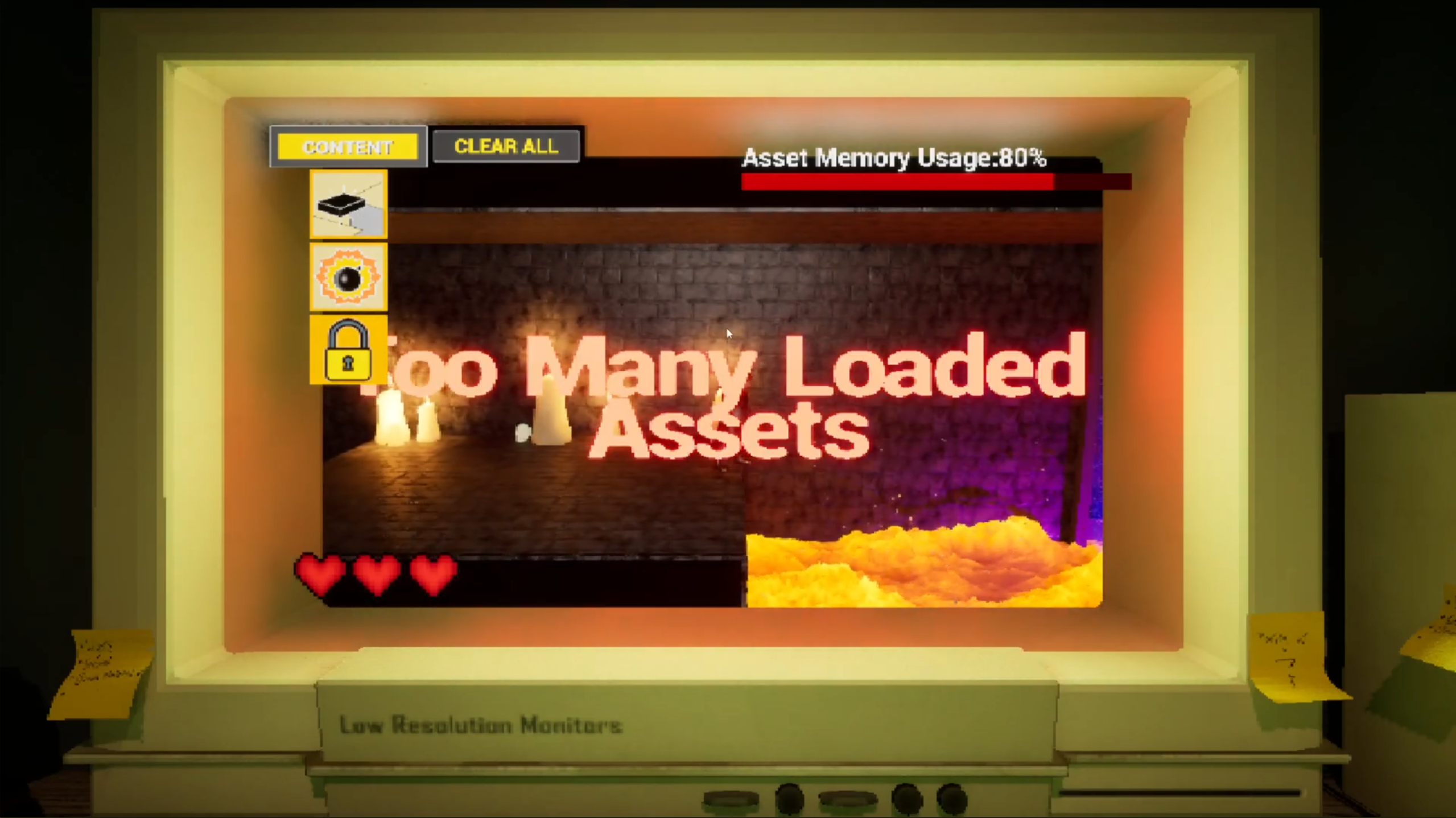
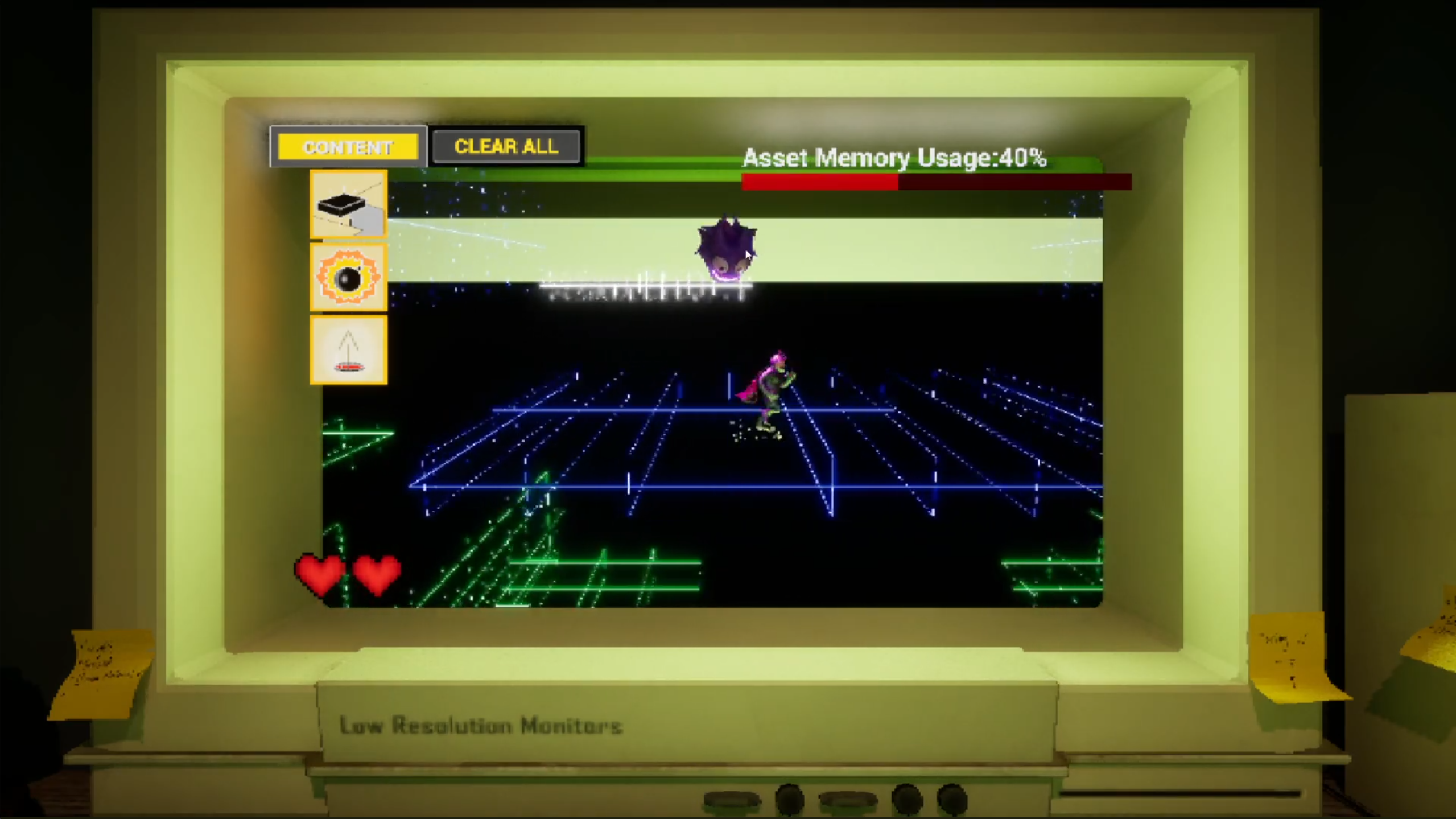
You play as a game designer trapped inside his own "Untitled Adventure Game" and a QA tester helping him escape. One player controls the mechanisms of the level (placing platforms, activating devices, removing obstacles) while the other navigates the world through platforming and spatial awareness. Together, you must complete the playtesting session.
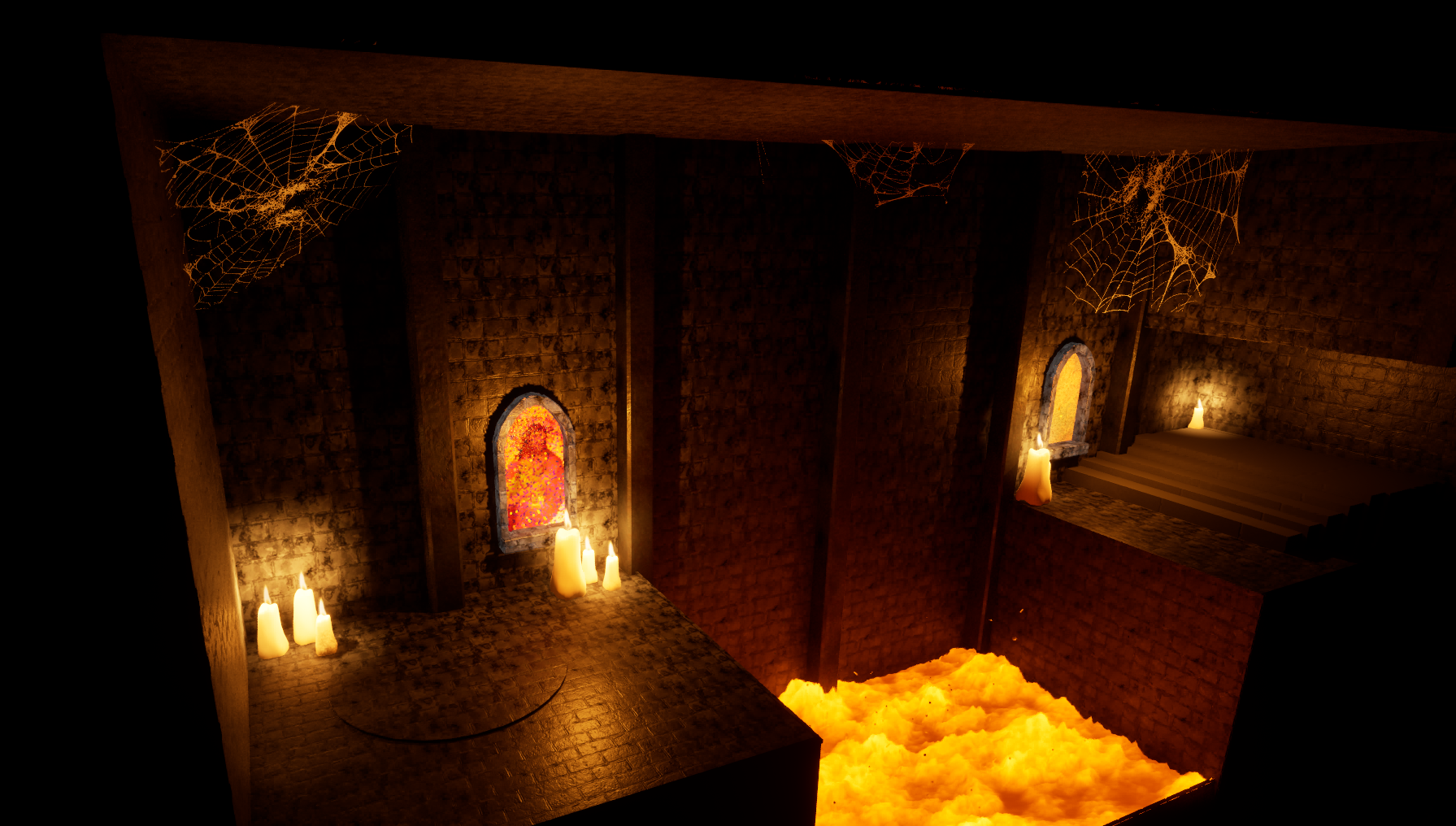
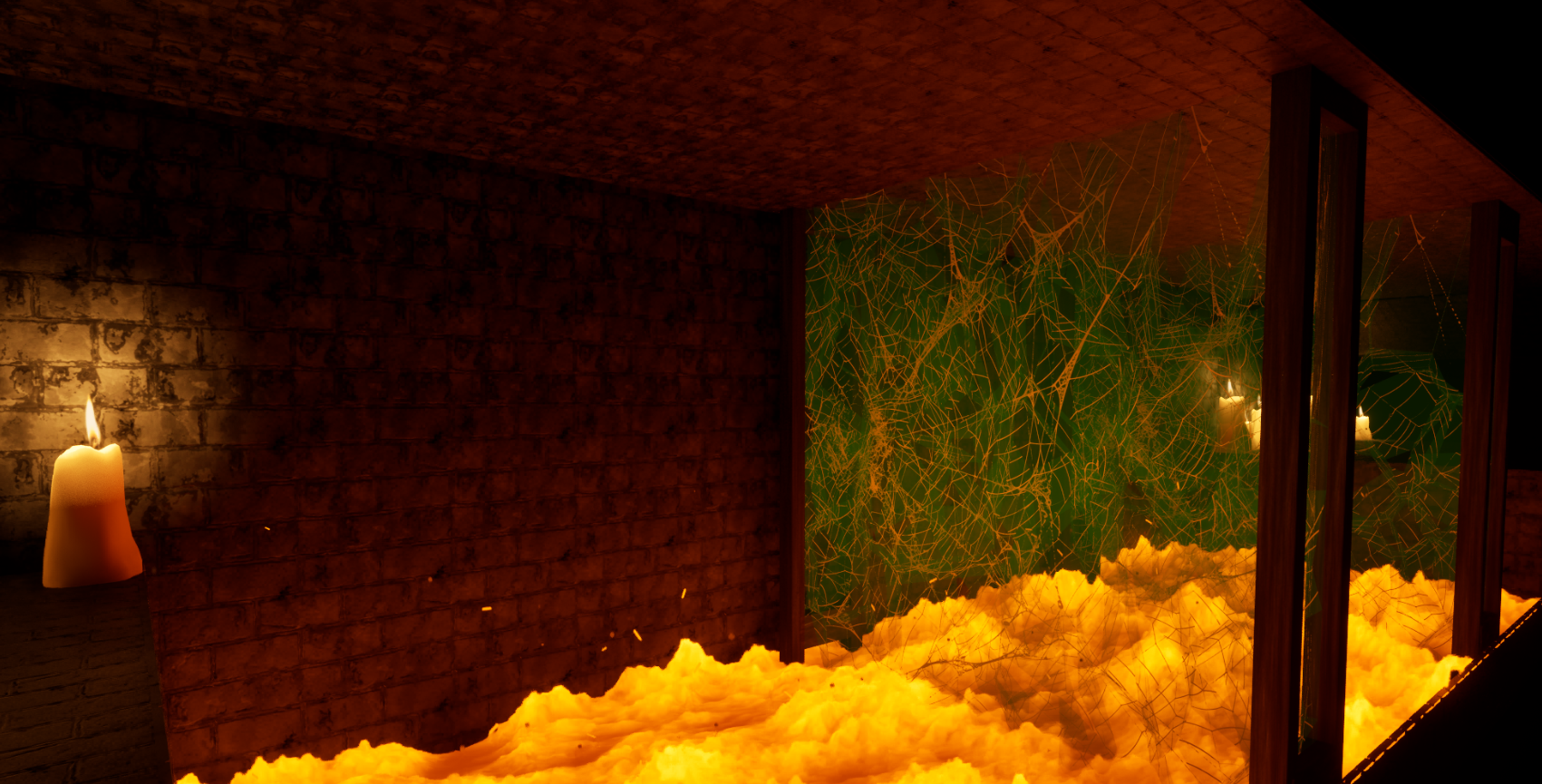
The game is split into three sections representing the visual progression of a game in development: a fully set-dressed dark fantasy dungeon, a grey blockout rotating maze, and a wireframe area. We took the theme of "Feedback Loop" literally, you are playing a playtesting session, and the loop is the back-and-forth between designer and QA tester.
Team Credits:
Game Designers - Humza Mustafa, Matthew Hicks
Environment Artists - Gabriel Tomala
Technical Artist - Hana Maqbool
Screenshots
Behind the Scenes
We landed on the concept because we live the feedback loop every day as game design students. We have run countless playtesting sessions, watched people struggle with our games, taken that feedback on board, and then feel the genuine joy of seeing a QA tester have fun with something we fixed or improved. That emotional cycle: struggle, act, joy, is exactly what a feedback loop is. The jam theme was not an abstract puzzle to solve; it was something we had personally experienced over and over.
The visual progression from a fully dressed dark fantasy dungeon, to a grey blockout maze, to a bare wireframe area was not just a metaphor, it was a gameplay mechanic. The more unfinished the level looked, the harder it became to play, because unfinished levels have not been tested and refined through feedback. This loops directly back to the jam theme: QA testers find games harder the less finished they are, because the systems that make a game feel good are not all in place yet. The visual language and the difficulty curve are saying exactly the same thing.
The split control scheme came from a personal place, it reminded us of childhood, crowding around an old chunky computer with siblings and friends to play random flash games together, one person on the mouse and one on the keyboard. That exact computer appears in the game itself. It is a deliberately nostalgic choice, and it gives the co-op a different feeling from anything online two-player offers. You have to be in the same room, next to each other, the way we used to play.
The asymmetric roles were designed to give each player an equal but distinct challenge. The platforming player needs physical attention and sharp reflexes. The player controlling the game's systems and engine has to think strategically: allocating assets, breaking objects, managing a limited budget. One tests your body, the other tests your mind. Neither player is waiting for the other to do the interesting work, they are just doing different interesting things at the same time.
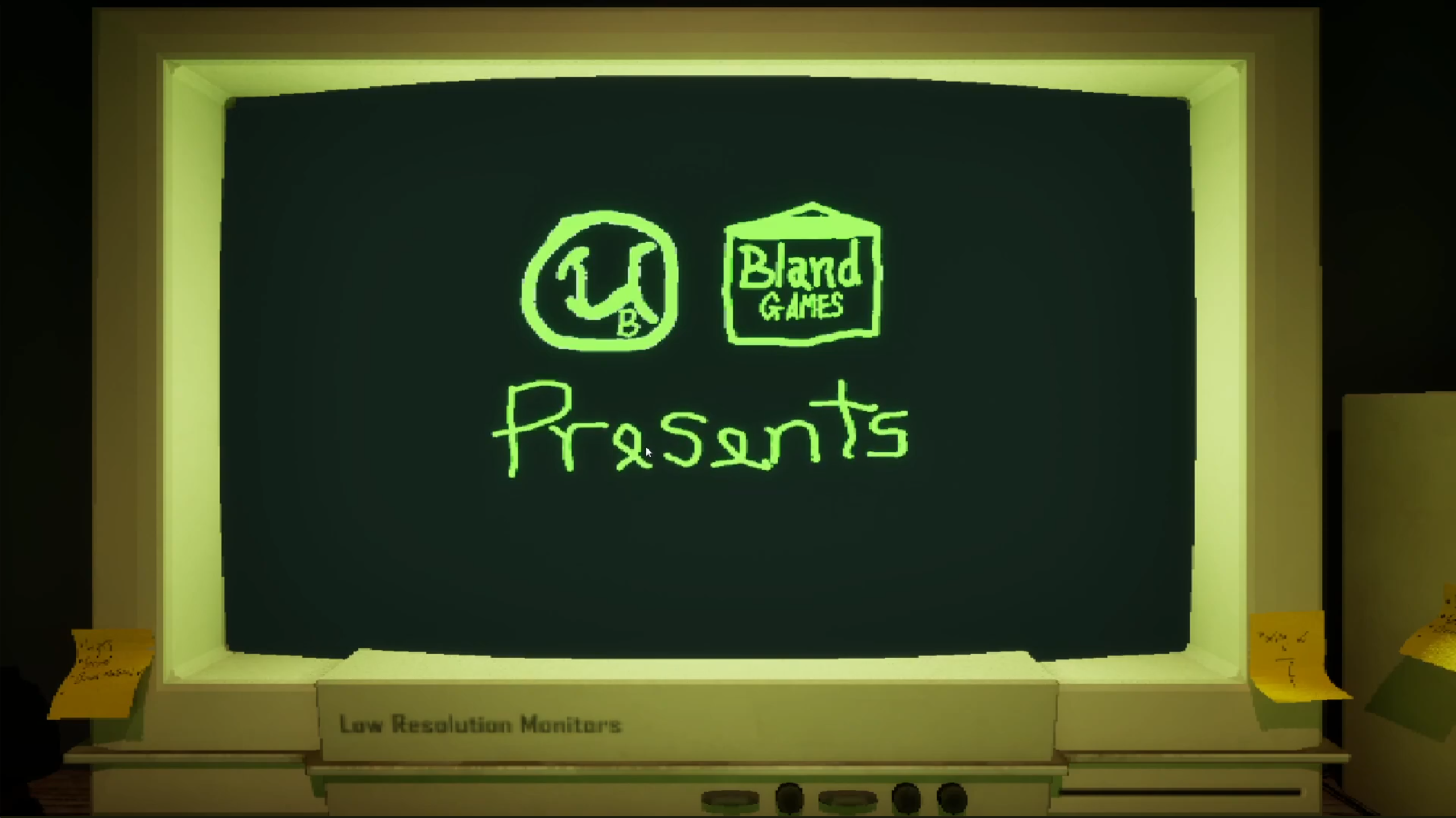
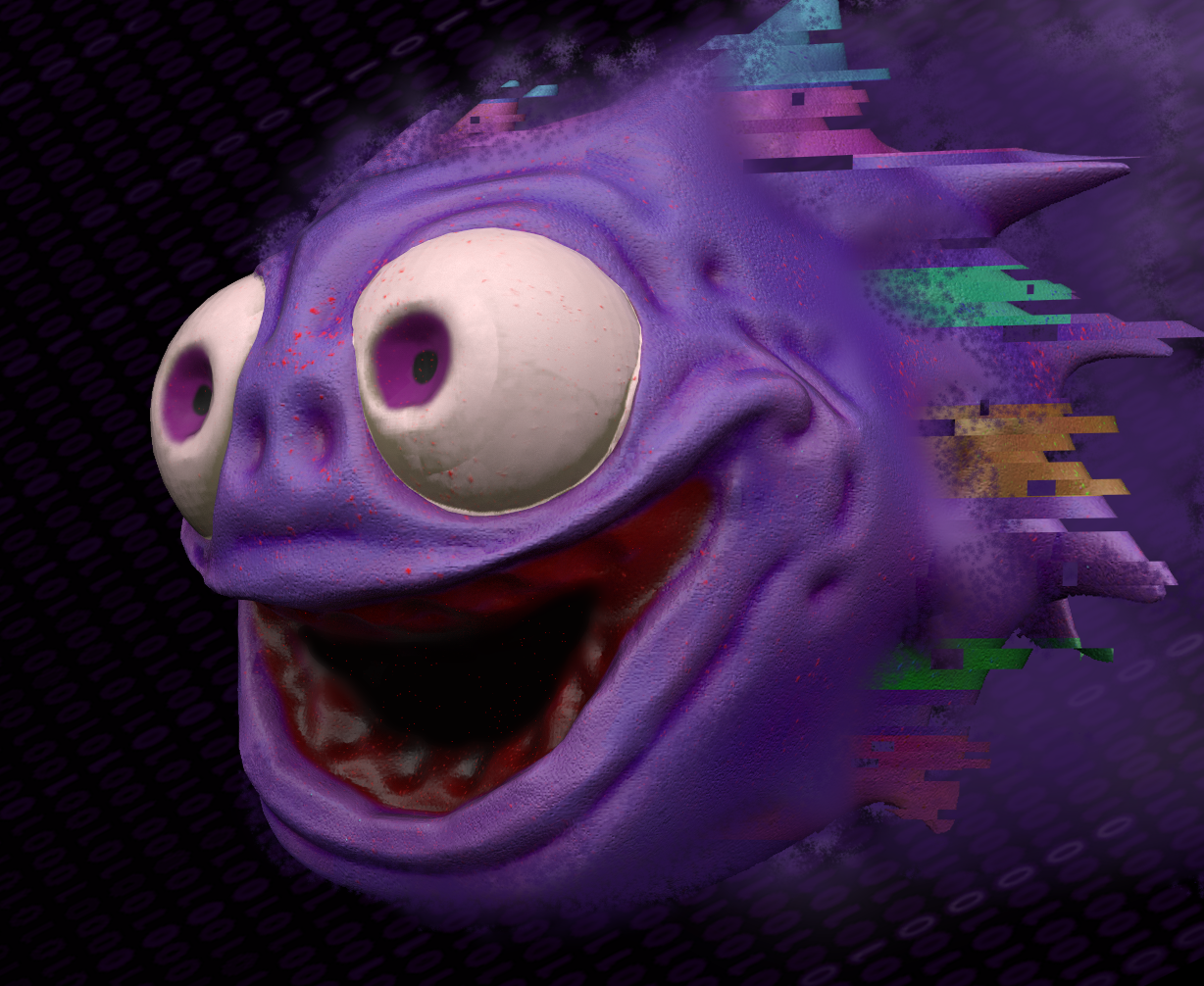
The self-awareness runs through the entire game. The enemies are called Bugs. The engine is called Unbeleivable Engine 5. The publisher is Bland Games, parodies of Unreal Engine 5 and Epic Games respectively. None of these are throwaway jokes; they are all part of the same world the game is building, one where game development itself is the setting. The humour and the concept reinforce each other throughout.
© Copyright Humza Mustafa 2026