Portfolio
Near and Far was the final project of my first year at university, made in a team of three. The brief was to adapt a board game into a video game. We chose Near and Far for its richly creative possibilities and the opportunity to design multiple distinct mechanics.
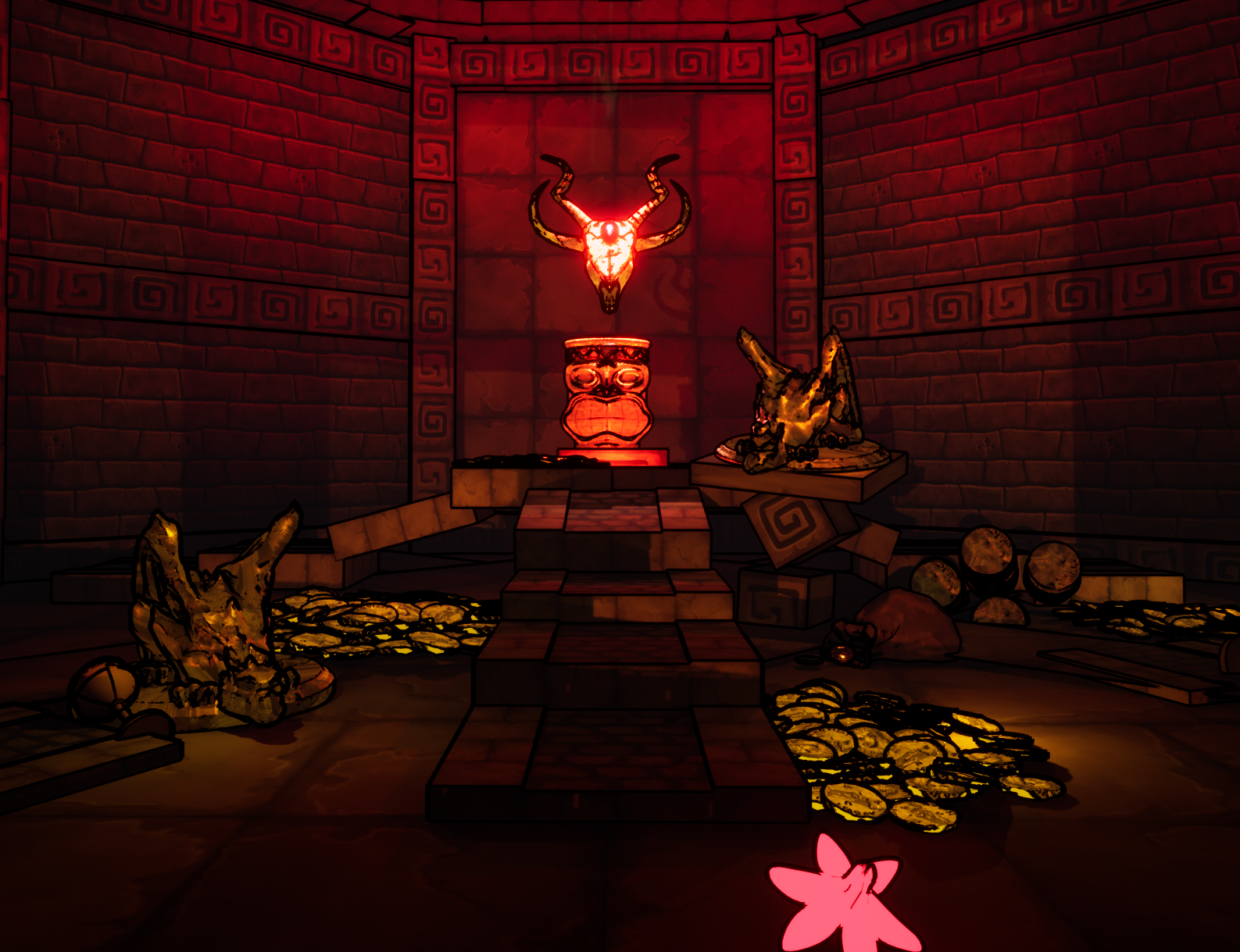
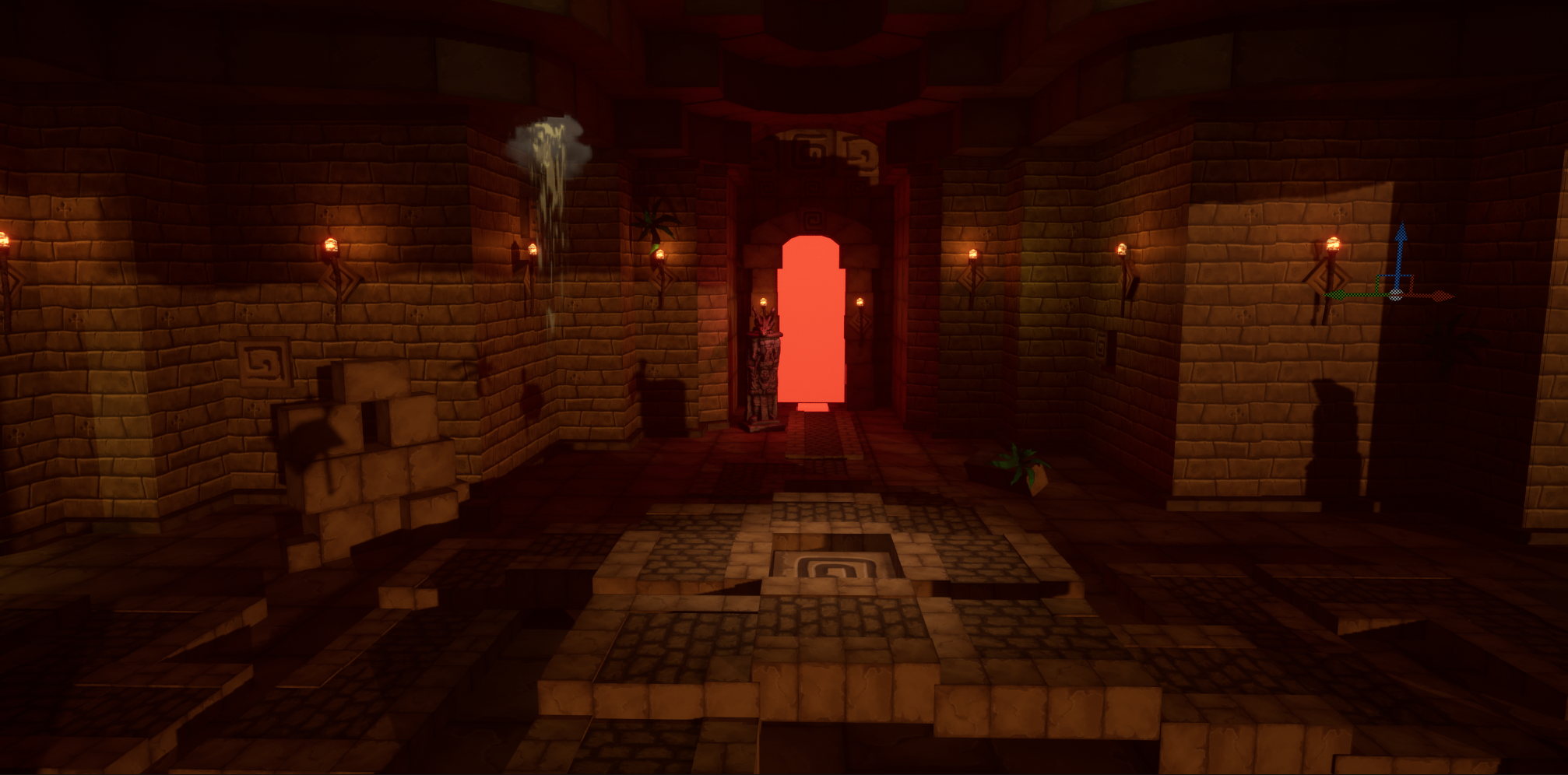
The game features a hub area inspired by Crash Bandicoot 2, from which the player chooses the order they tackle three main levels. Each level introduces a unique core mechanic that changes how the player interacts with the puzzle sandbox:
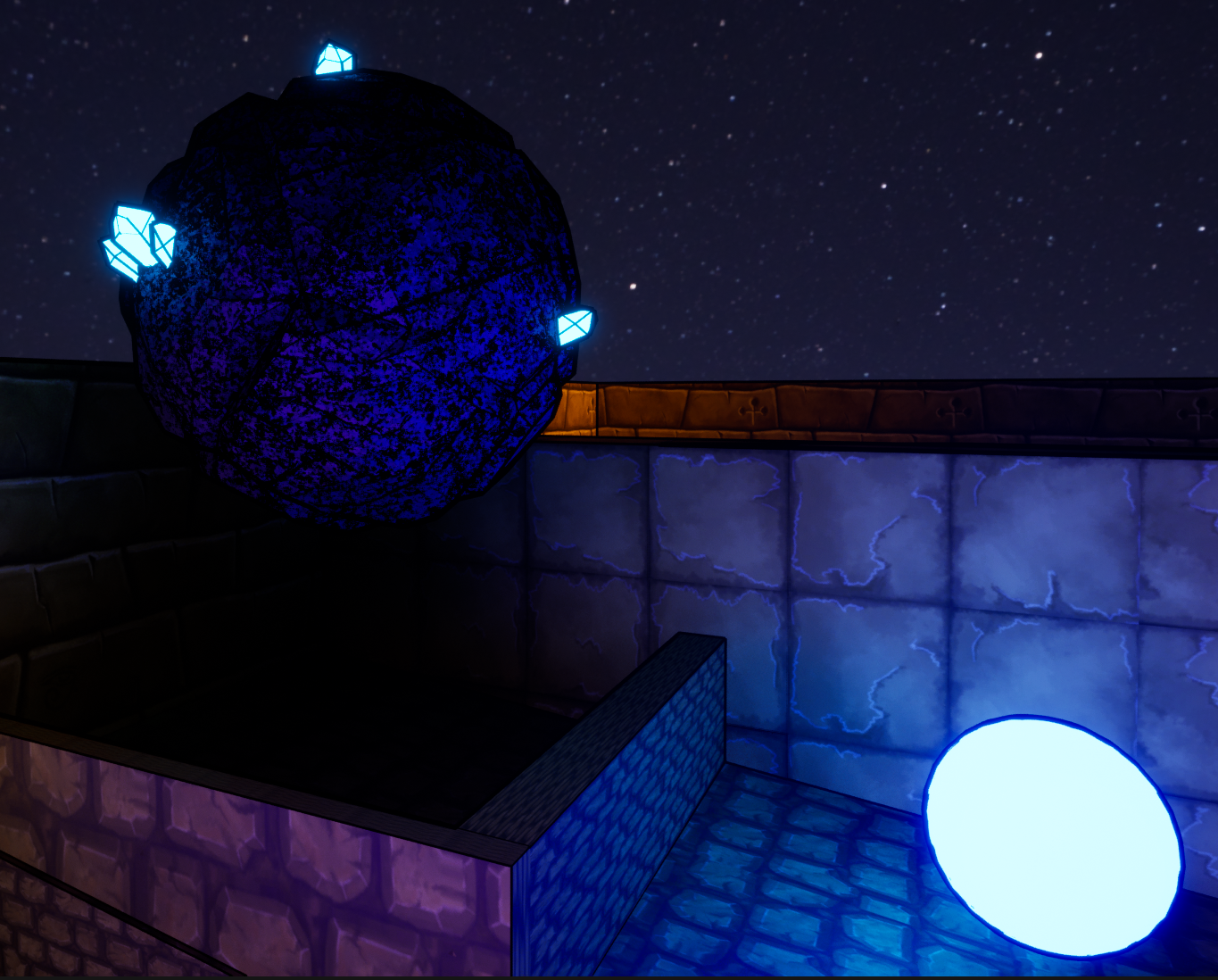
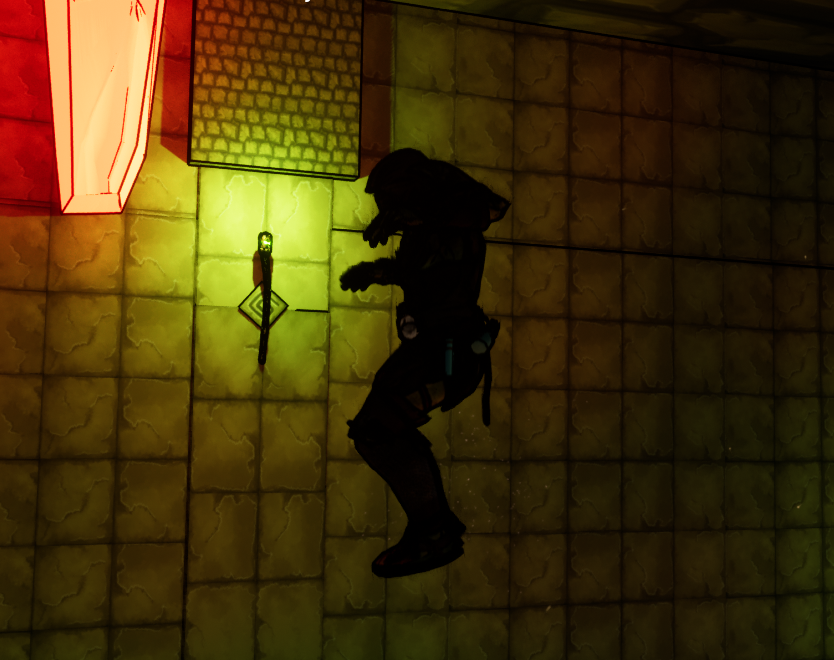
In the Boulder Level, the player guides a boulder down into a hole to open a door, using pressure plates and a torch to solve the puzzle. In the Gravity Level, inspired by the Gravity Rush games, the player can start floating and redirect gravity by pressing a button, using this to navigate complex environments. In the Time Travel Level, I translated and expanded the Blink mechanic from Unity into Unreal, creating a third person platformer where a single button press changes the entire environment between two time periods.
Team Credits:
Game Designers - Humza Mustafa, Kanye Wallace
Technical Artist - Isbah Anzaq
Screenshots
Documentation
Documentation explaing the game, the mechanics and why we chose Near and Far board game
Art bible we used to understand the world of Near and Far and how we could interpret it for our game
A retrospective on what went well, what could've been better and the lessons I've learnt during the project
Behind the Scenes
The Near and Far board game is built around exploration, journeying through cities and ancient ruins, uncovering what is there. That core focus gave us creative freedom that a more rule-heavy board game would not have. Rather than trying to faithfully simulate a rigid ruleset, we had a theme and a spirit to work from, which let us design the adventuring and puzzles in a way that felt natural to video games rather than like a direct port.
A non-linear hub area lets players explore at their own pace, and that is exactly what adventuring should feel like. Scripting a fixed level order would have undermined the sense of discovering uncharted ruins on your own terms. Inspired by Crash Bandicoot 2, the hub becomes a space in its own right, somewhere to move through, orient yourself, and choose your path, rather than just a menu dressed up as a room.
Each level was designed to challenge the player in a fundamentally different way. The Boulder level forces timing and spatial awareness, you have to understand where things are and when to act. The Gravity level asks the player to think outside the box entirely: instead of running toward an objective, you have to fly to walls and ceilings to find clues, rewiring your instincts about how a space works. The Time Travel level, rebuilt from Blink, deliberately stripped back the movement focus to make the player think more strategically. The question is not how to move, but when to switch.
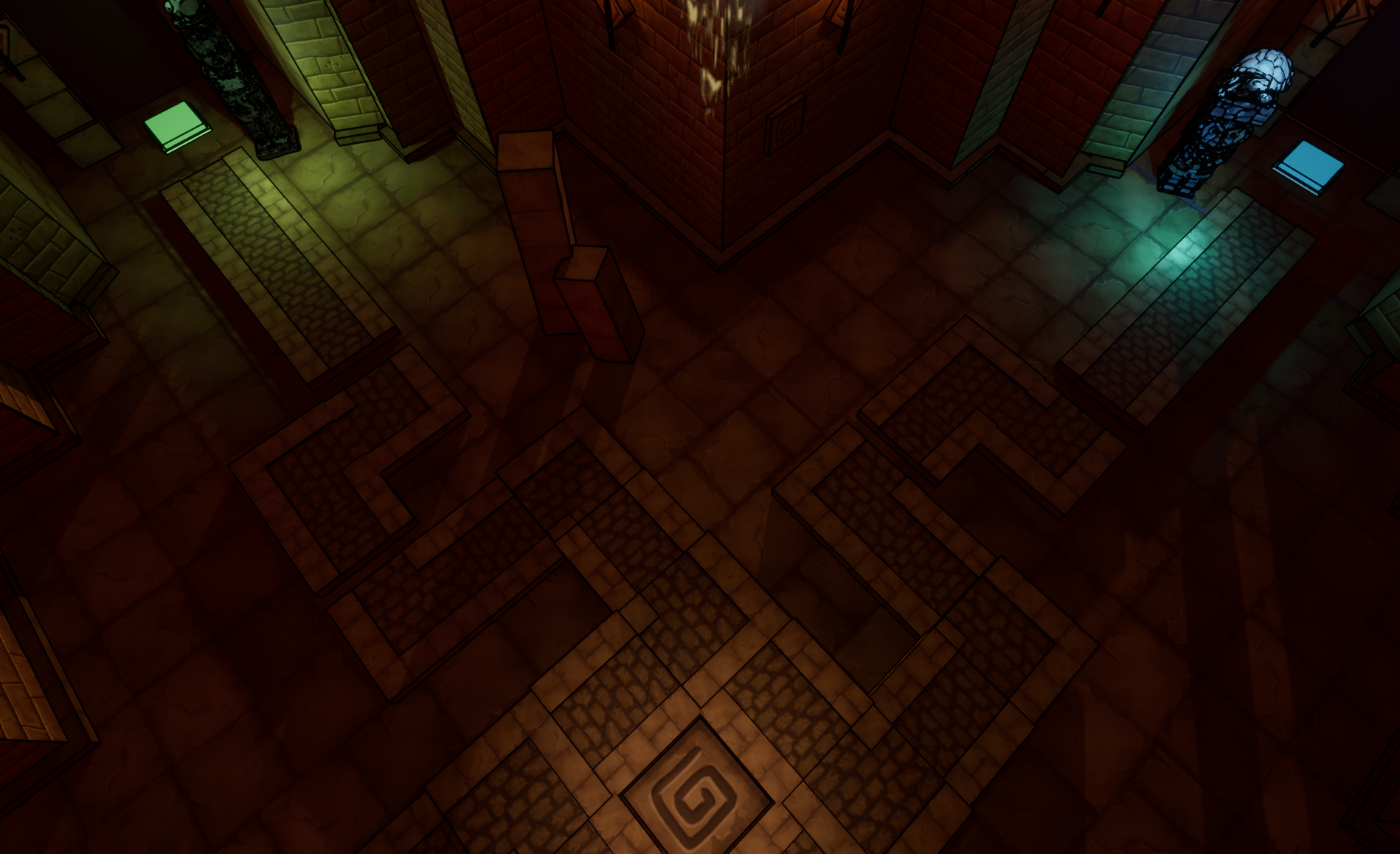
The key to making the gravity mechanic work as a puzzle was forcing the player to engage with all six sides of the room, not just the floor. Pressure plates were placed on the front wall, back wall, side walls, ceiling, and floor, so the player had to consciously understand that every surface was navigable and that progress required visiting all of them. The puzzle teaches you to stop thinking of the floor as the only valid surface, which is the whole point of the mechanic.
Having already built the time travel mechanic in Unity for Blink, rebuilding it in Unreal Engine 5 gave me the chance to do it properly. The key optimisation was splitting the level into smaller sections so the engine could detect where the player was standing and only swap the assets in that immediate area, rather than toggling the entire environment at once. This made the system far less demanding and kept performance stable, a lesson I could only have learned by building it twice.
© Copyright Humza Mustafa 2026