Portfolio
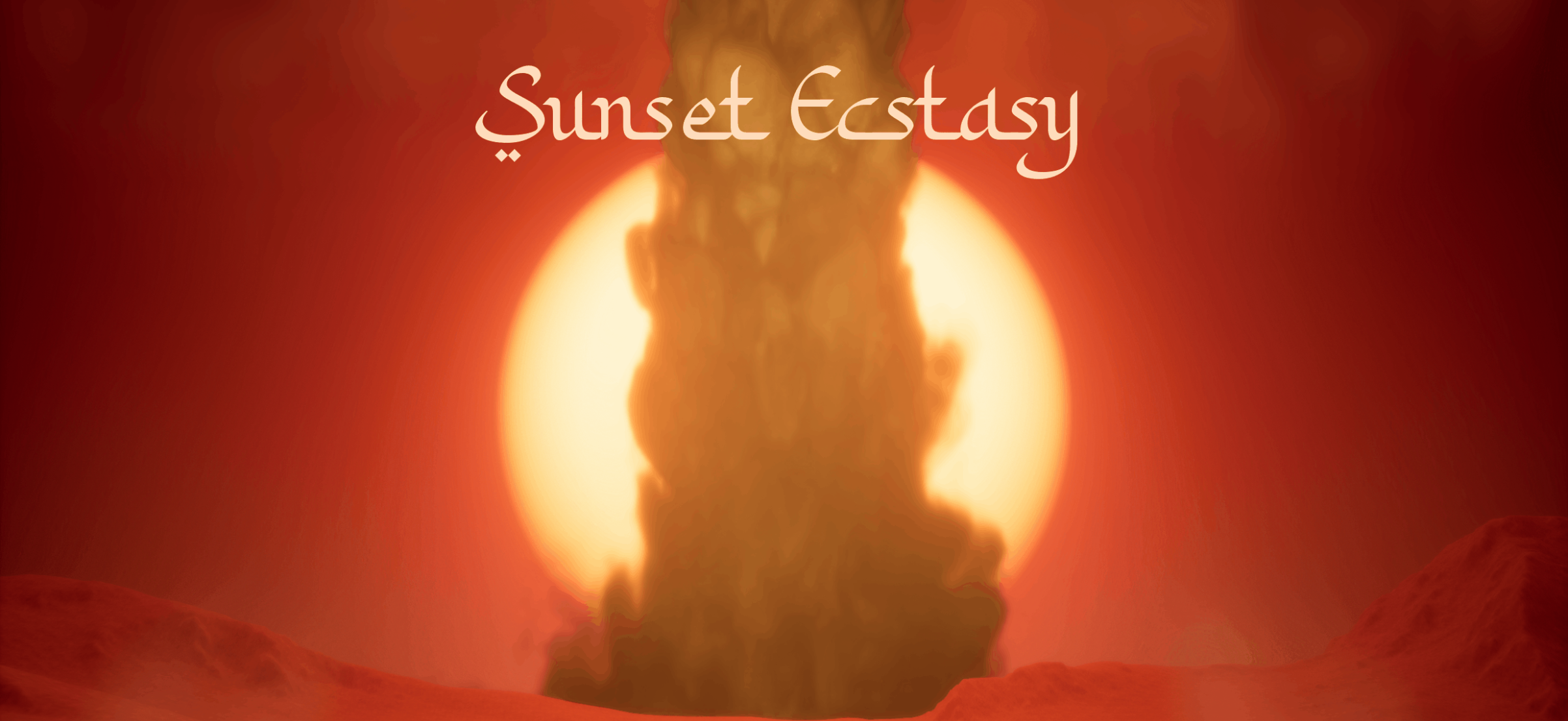
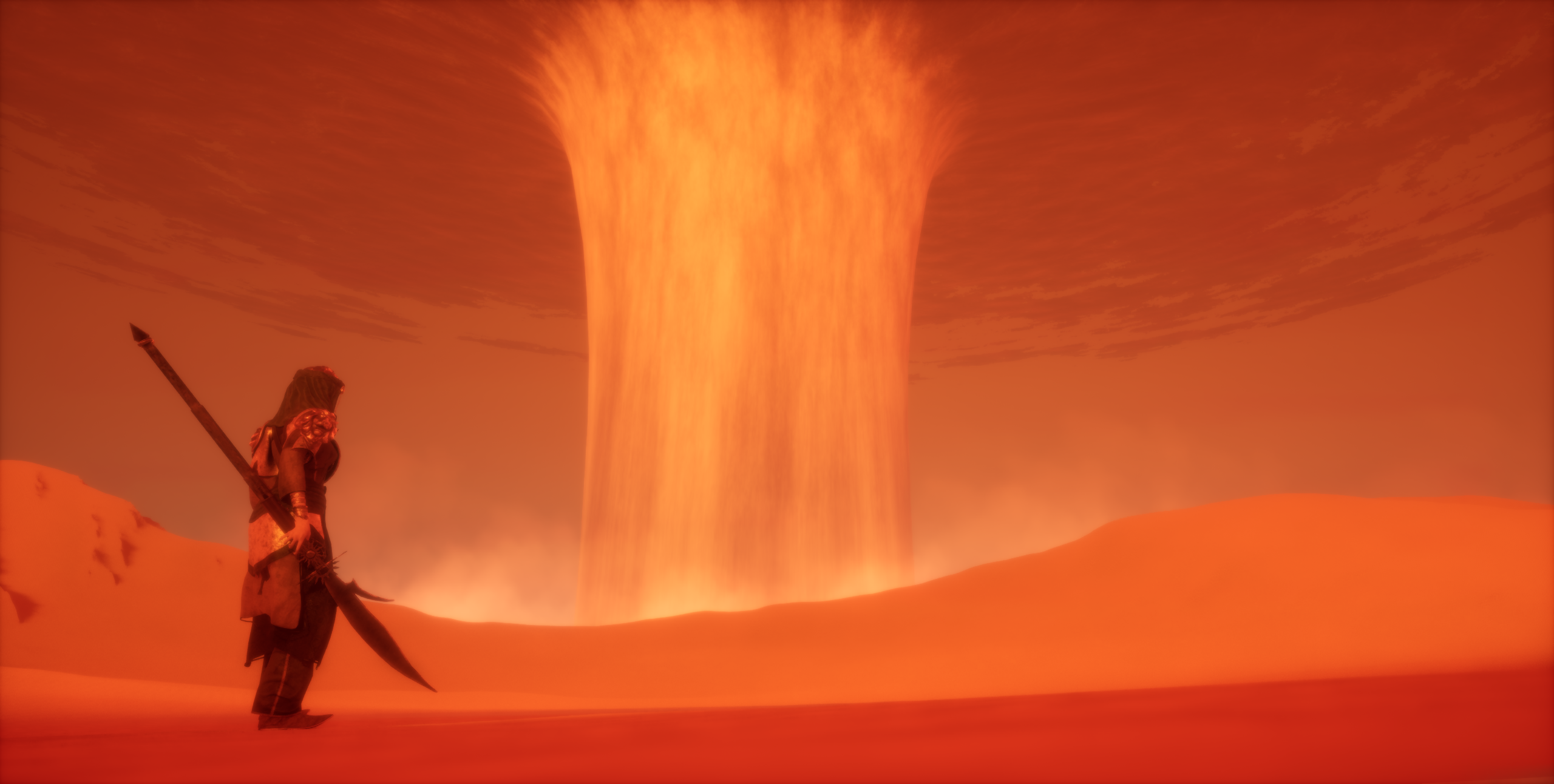
A world frozen in the blazing heat of an eternal Sunset. The constant stream of sand, falling and flooding the sun kissed desert. Sayah, a nomad armed with a transforming glaive and the magic of the sun and the lost moonlight. Determined to save her land, she embarks on her first journey and heads to the temple of Alsaam, the scorpion god. The whispers within the sand revealed the location of the fallen hero Karaam. Slayer of Alsaam. She must fight to release his imprisoned soul.
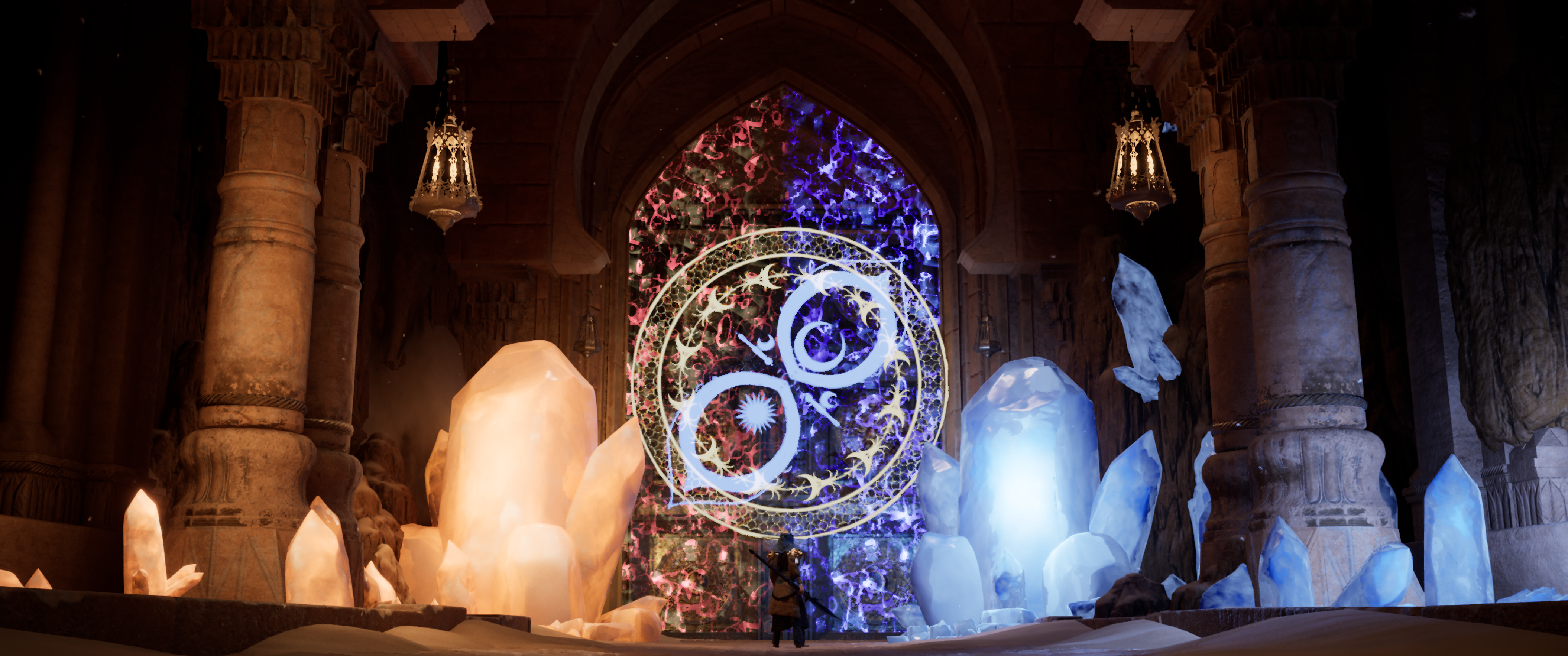
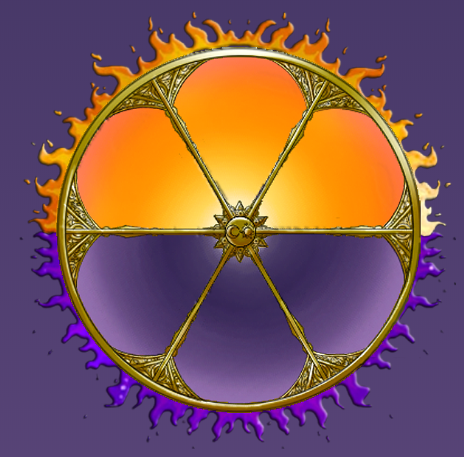
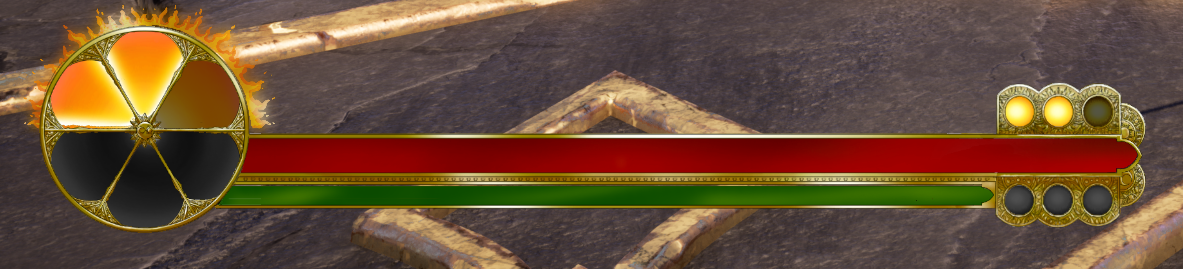
The game's USP is the Sun and Moon system. A dual combat meter that rewards aggressive, varied play and builds toward powerful ultimates. This game represents five years of game design experience distilled into a single original IP.
Team Credits :
Game Designers - Humza Mustafa, Matthew Hicks
Tech Artist - Hana Maqbool
Game Artists - Kye Takeuchi-Brown, Leony Ye, Lutfi franco Pereira, Lutfia Al-Ghaithy, Harper Law, Philippe Lleses, Radost Marinova, Gihan Akpinar, Omer Shreef
Animators - Elissa Heath, Malvin Gauci, Albert Kulla, Hasan Mahdi
Screenshots
Documentation
Full GDD - combat systems, boss design, Sun & Moon mechanics, and world building
A document where we analysed feedback so we could understand the positives and negatives and make a plan on what we would address
The art bible that the artists used to gather a collective understanding on the themeing and style of our original arabian fantasy world
A retrospective on what went well, what could've been better and the lessons I've learnt during the project
Behind the Scenes
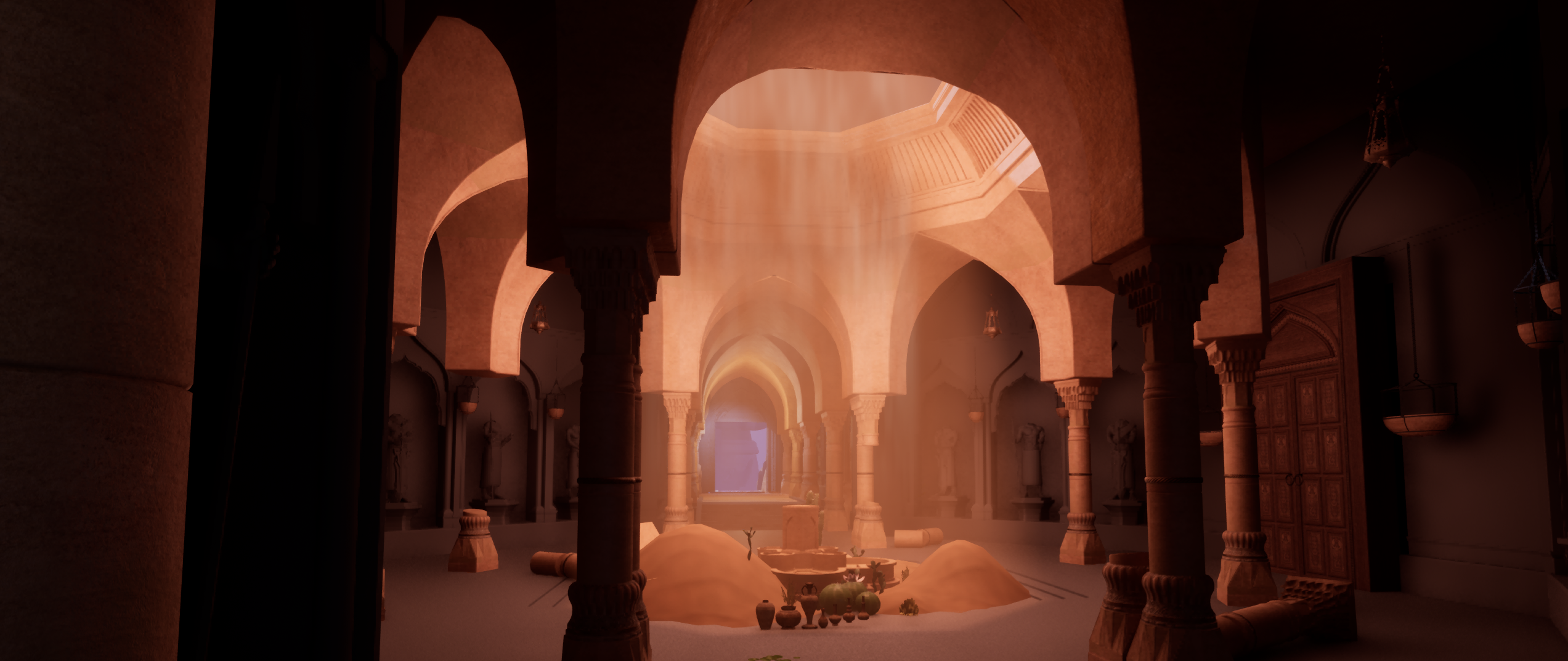
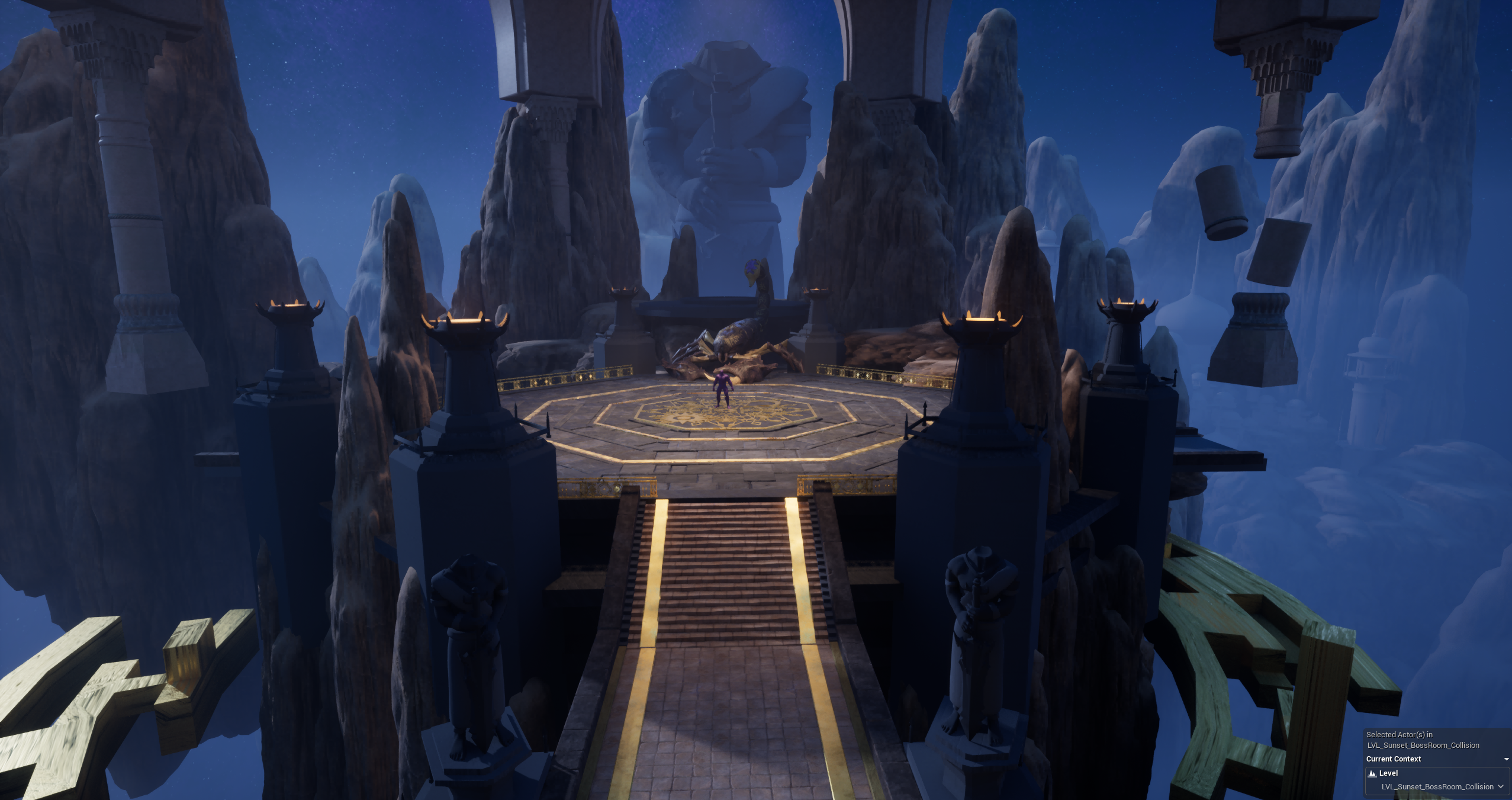
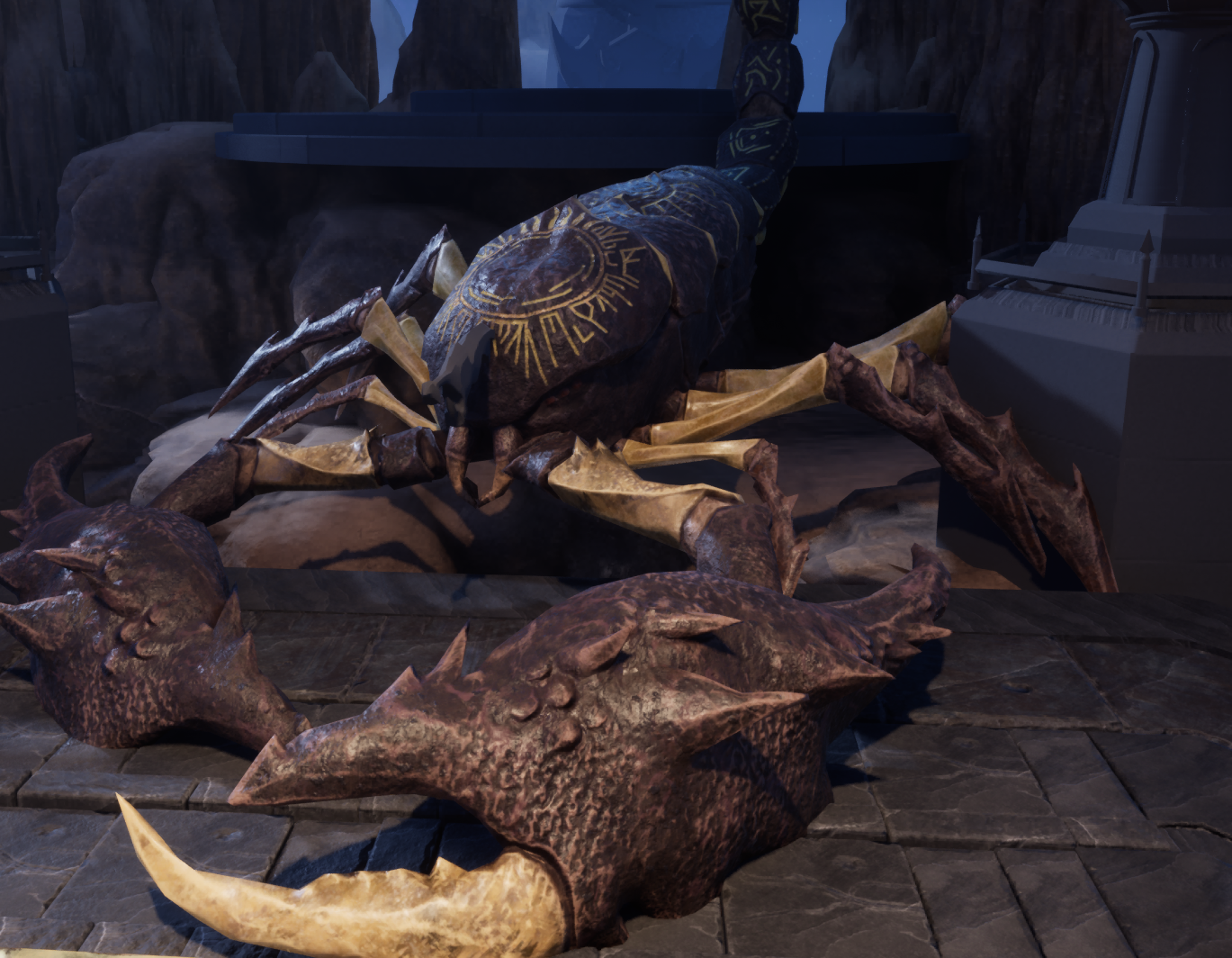
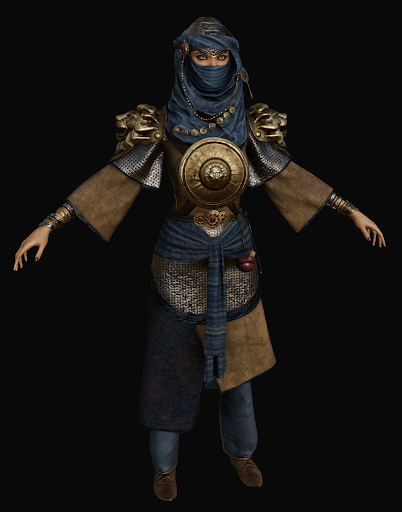
Every aspect of the world was researched to represent the culture as authentically as possible. The main arena draws directly from mosque architecture: minarets, ablution fountains, faceless statues, and a mihrab all tie together the setting's visual identity. The contrast between the outer desert and the cosmic sky inside the arena pushes the fantasy register forward, grounding the world in something real while making space for the mythological. This setting is severely underrepresented in games, and getting it right mattered.
One of the core design pillars documented from the very first week of production was Reactive Combat, the idea that the boss should never feel static. Karaam tracks player behaviour through an invisible aggression meter that monitors how aggressively or defensively the player is fighting. Based on that read, he adapts: applying buffs and debuffs, changing his attack patterns, and shifting tempo. A player who camps at range gets punished differently to one who constantly charges in. The aim was a boss encounter that genuinely responds to how you play, not one that simply cycles through a fixed script. This system was a deliberate answer to a recurring frustration I had with FromSoftware bosses, where no matter what you do, the boss does not actually notice.
The problem I wanted to solve was one I had with every souls game, including Bloodborne: switching weapons never feels mandatory. The Sun and Moon bar fixes this directly. The player must use both stances to deal maximum damage and build toward the Eclipse ultimate. What the GDD and production log capture is how much the system changed through playtesting. A major revamp in week eight made block and dodge stance-specific: Sun Stance gives you a block and a large retreating dodge, while Moon Stance gives you a grapple hook and a nimble weave dodge. This meant stance identity stopped being purely about the weapon and started being about the full movement and defensive toolkit available to you. Switching became a decision with real mechanical weight on both sides of the exchange.
In Nioh, stance switching during boss fights is not optional. When a boss performs a red power attack, the only way to parry is to switch at precisely the right moment. Beyond that, certain attacks are slow and readable, which suits a heavier samurai style, while others are fast and chaotic, making the lighter ninja stance the smarter choice. We wanted our stances to feel that mandatory. The goal was a 30-second gameplay loop that is constantly changing and evolving, where the player is always being pushed to think about which stance to be in and why.
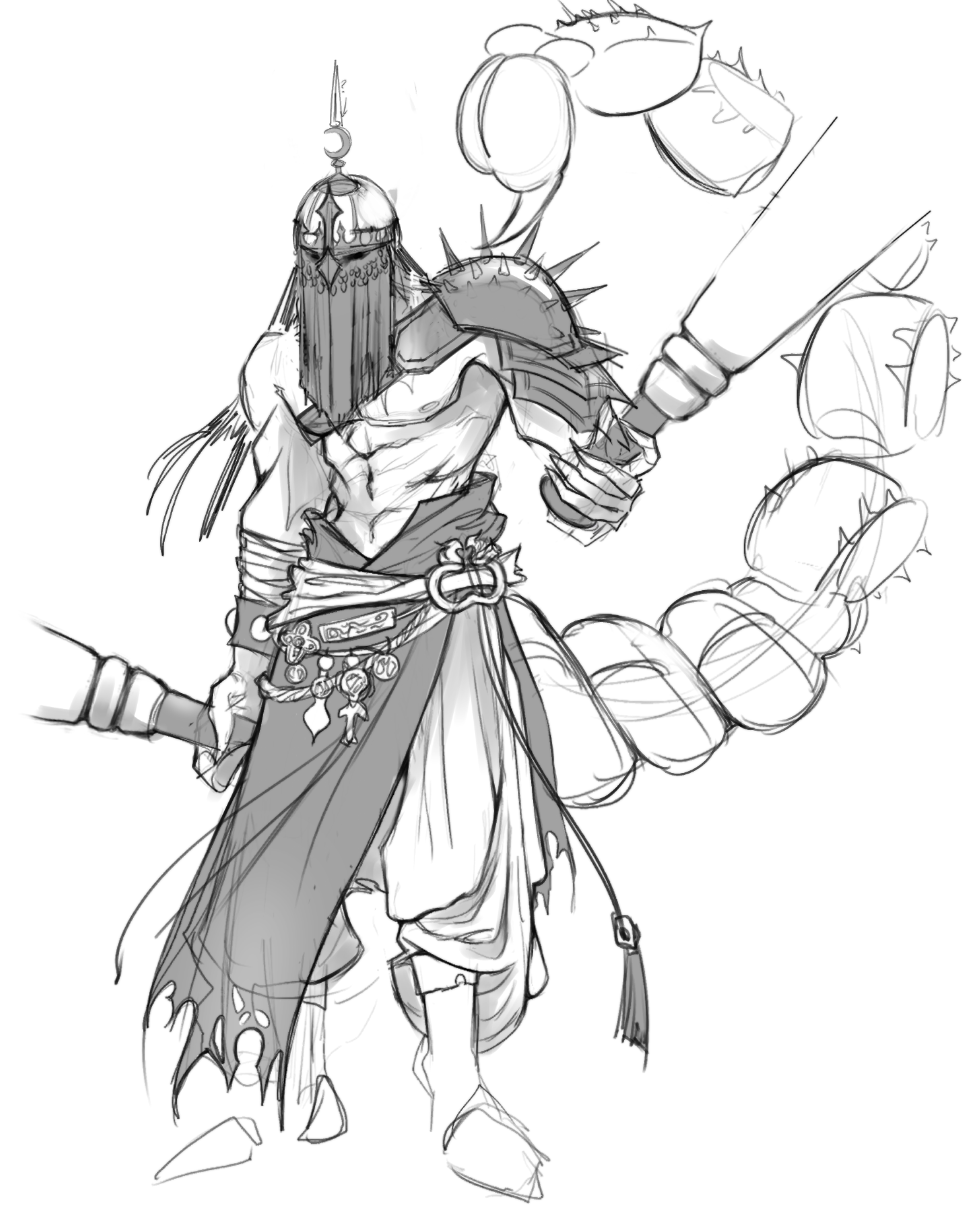
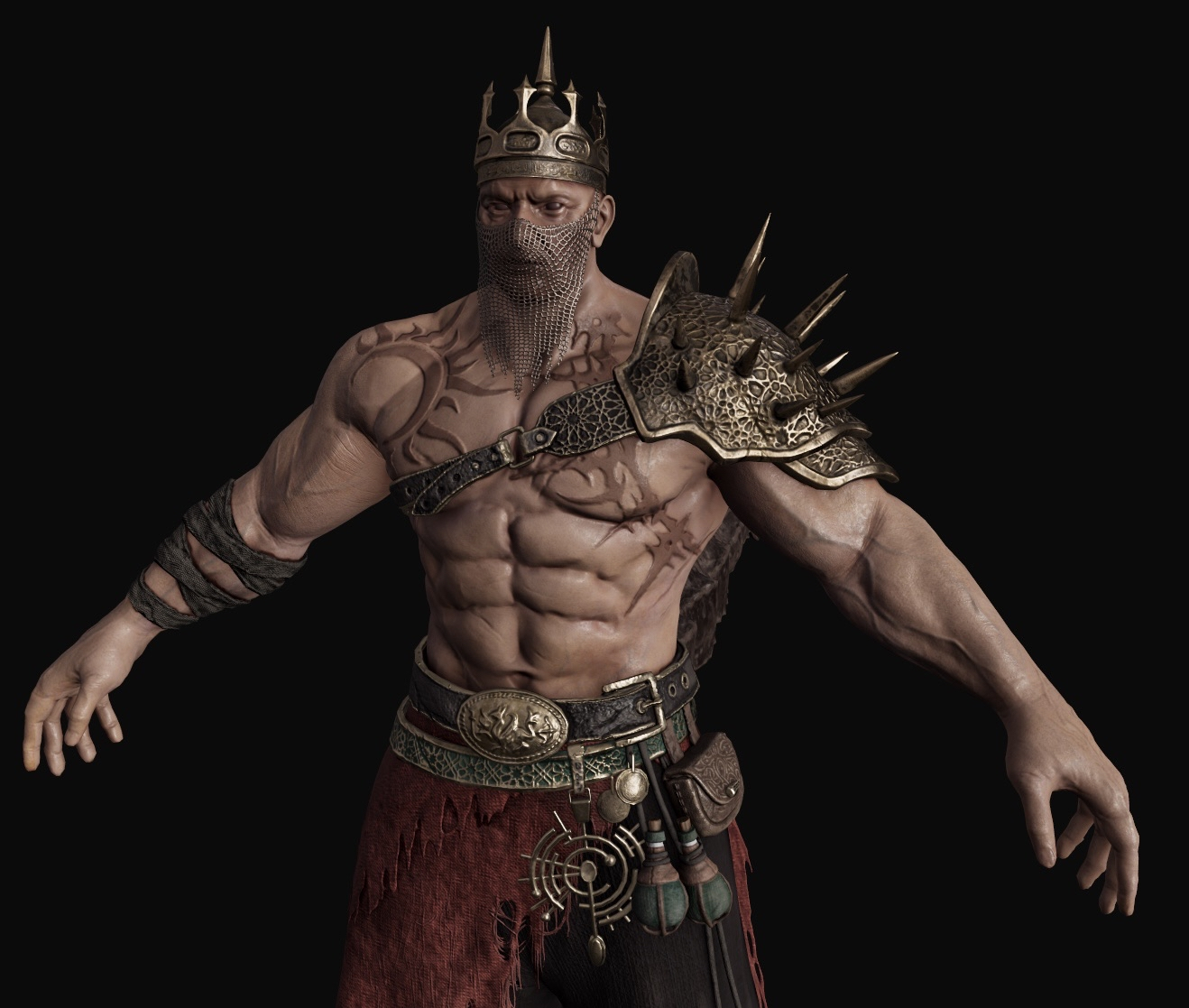
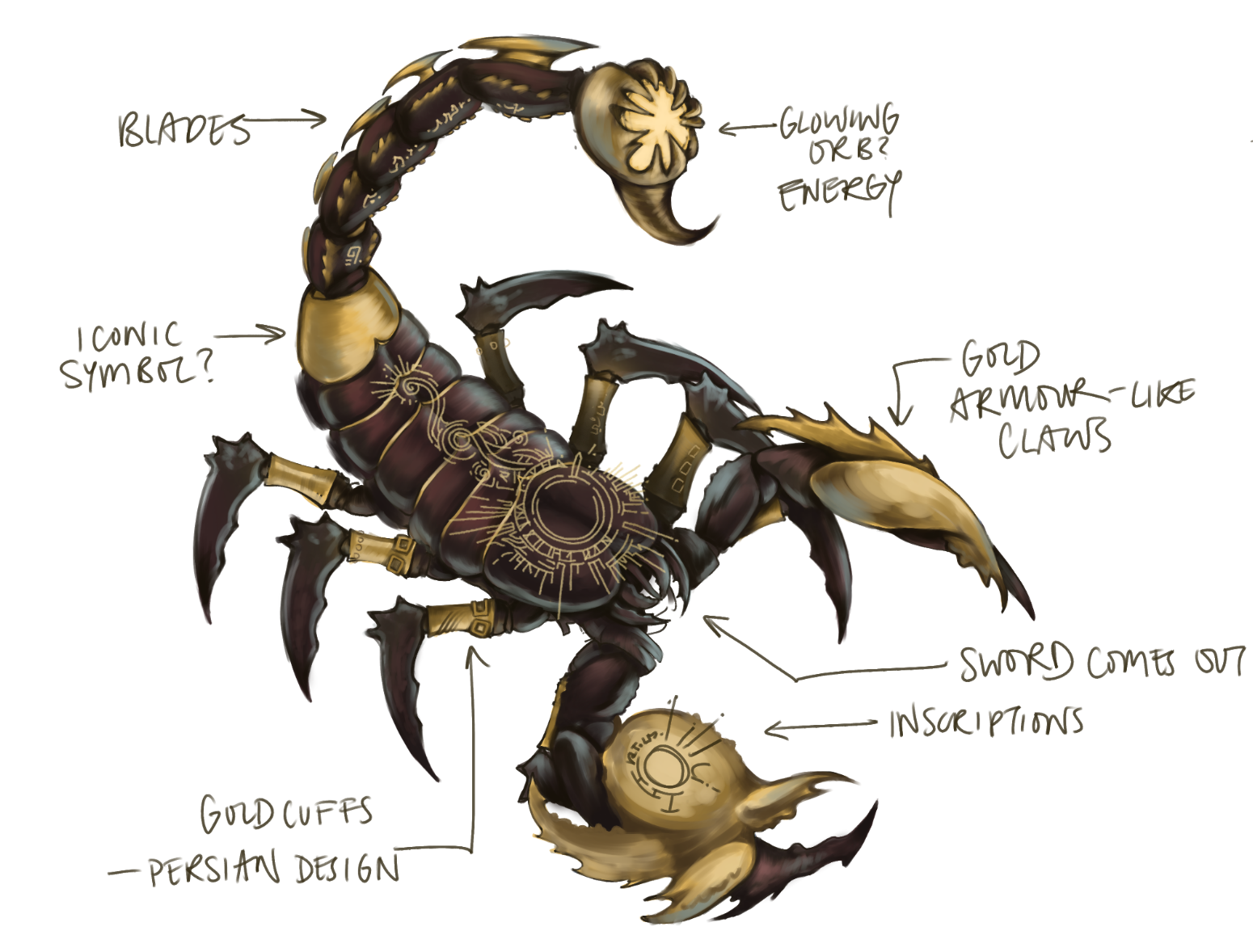
Karaam was designed to be aggressive and overwhelming, inspired by Consort Radahn from Elden Ring's Shadow of the Erdtree, but I wanted to balance that pressure with fairness and tie him directly to the setting. His weapons are Meels: Persian clubs that in real life require a long wind-up behind the body before the swing. That wind-up became a core part of his attack design, giving the player a visible, readable window to react. At 50% health, Phase 2 begins. Karaam reveals a scorpion tail, switches to a greatsword, and introduces poison stabs and a high-damage tail slam. The phase transition is designed to feel like a genuine escalation. The player who thought they had read the fight now has to relearn it under pressure, and the satisfaction of adapting to that is what the second phase is built around. After over ten weeks of playtesting, the hallway tutorial introducing the Sun and Moon system before the arena has consistently received positive feedback.
Karaam's AI was built in Unreal Engine 5 using Behaviour Trees and the Environment Query System. The approach was deliberately modular, with each behaviour designed as an independent node so that attacks, buffs, and phase transitions could be added, swapped, or tuned without touching the rest of the tree. The EQS handles spatial reasoning: finding the best position to approach from, choosing when to close distance versus hold range, and selecting which attack to execute based on the player's location and stance. Building it this way meant that when playtesting revealed a pattern that was either too punishing or too readable, the fix was isolated. The modularity was not just good engineering practice, it was what made rapid iteration possible across twelve weeks of development.
Sunset Ecstasy represents five years of game design experience brought together in a single original IP. What I wanted to prove, to myself and to the industry, was that I could lead the design of a new IP within a large team and deliver an industry-ready vertical slice at the end of it. A commercially viable product, built collaboratively, with an original world, a novel combat system, and a boss encounter that holds up. That is the bar I set for myself.
© Copyright Humza Mustafa 2026